Up to Date

Homepage

Company Profile

Product Catalogue

Field Sales Guide

Application notes / Tools

Datasheets

About Golledge

Golledge also offering the products from the company Micro Crystals from Switzerland.


Products


Applications

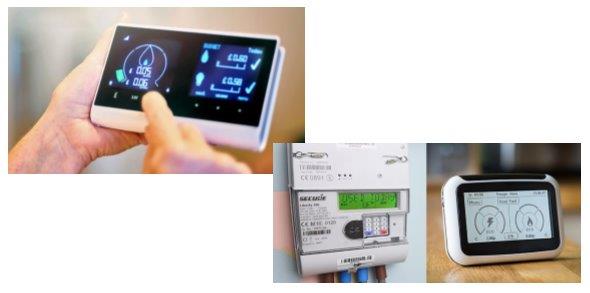
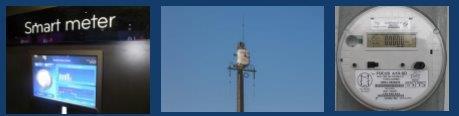
Smart Metering

Picture Products
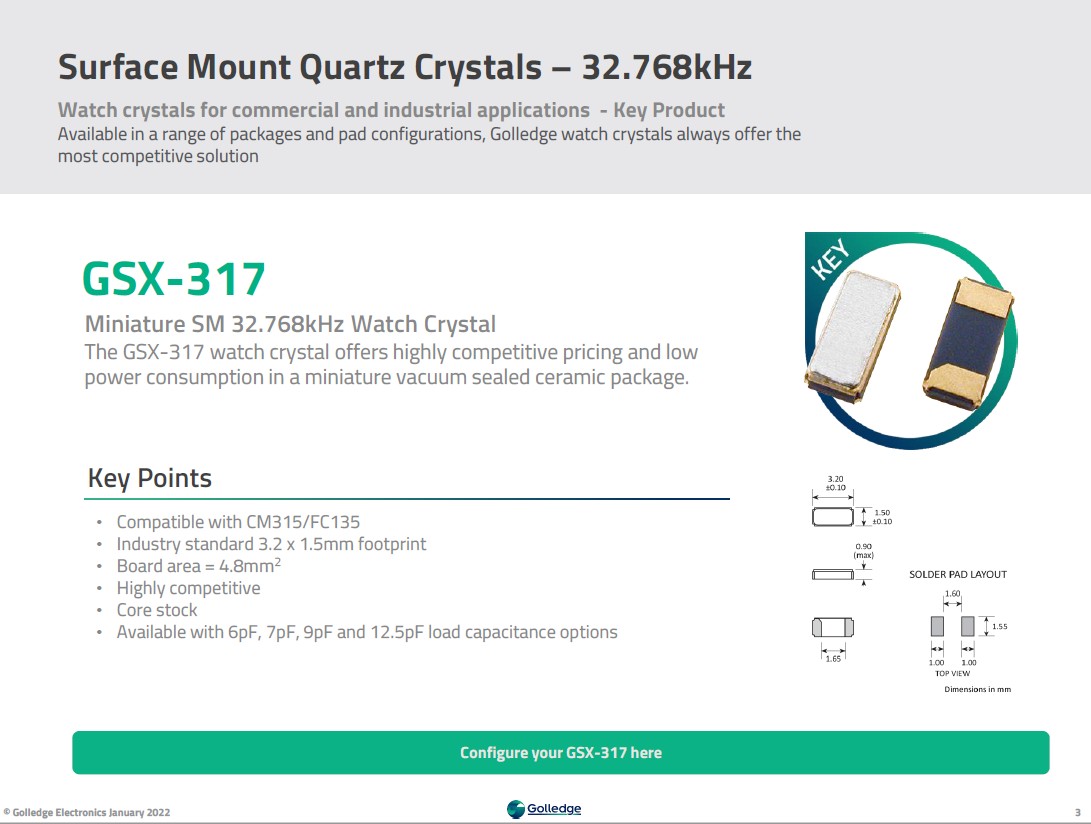
  • 32.768 kHz GSX-315 12.5pF
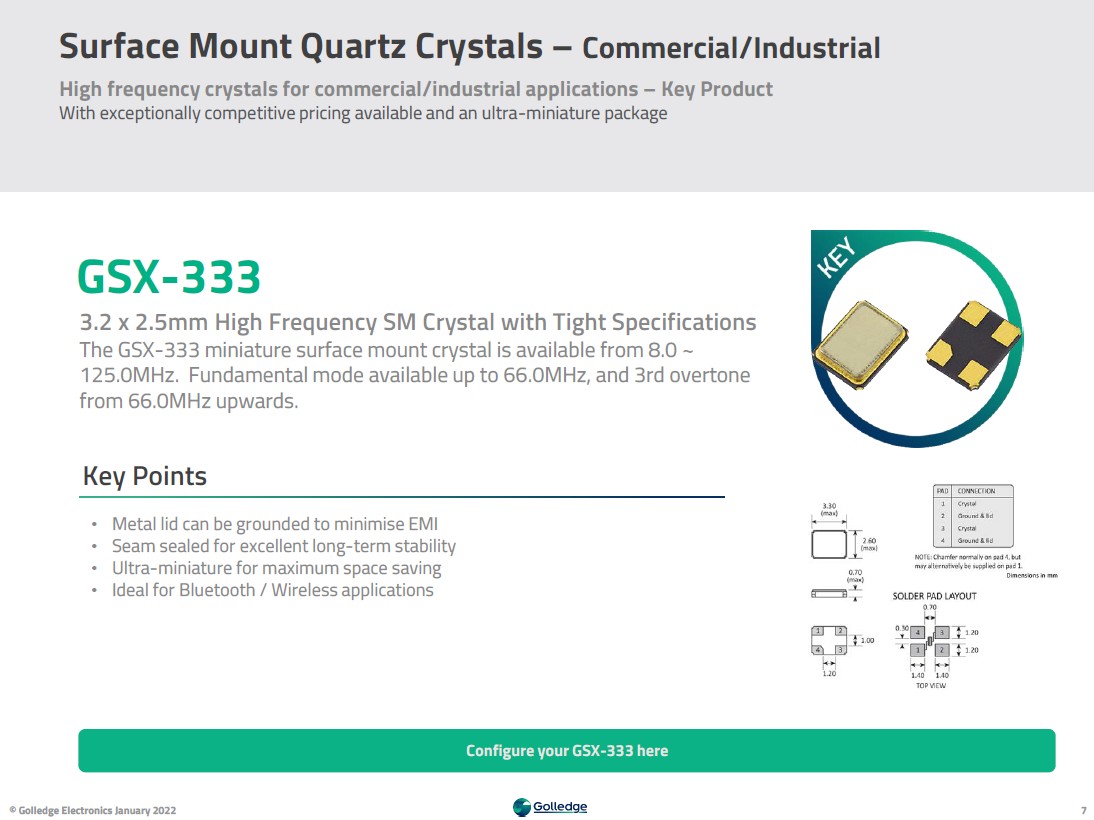
  • 12.0 MHz GSX-333/332EF crystal
  • 32.0 MHz GSX-333/122NF crystal
  • 55.20 MHz GSX-333 crystal
  • 31.250 MHz GTXO-253/JS TCXO
  • 869.0 MHz SAW Filter
  • 423.0 MHZ SAW filter

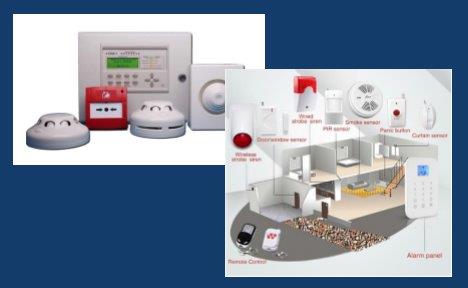
Fire Detection and Security

Picture Products
  • 32.7680 kHz GSX-315 7pF
  • 16.0 MHz GSX-333/112NF
  • 24.0 MHz GSX-333/1P2NF 9pF crystal
  • 25.0 MHz GSX49-4/232DF
  • 27.120 MHz GSX-333/112AF 10pF
  • 30.0 MHz GSX-323/112AF 10pF
  • 52.0 MHz GSX-333/112MF 8pF
  • 50.0 MHz GXO-3201 ±50ppm 3.3V
  • 869.0 MHz SAW Filter

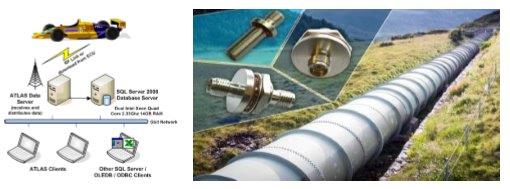
RF Monitoring and Telemetry Equipment

Picture Products
  • 13.56 MHz GSX-333 crystal
  • 51.033333 MHz UM1 ±5ppm crystal
  • 32.0 MHz GTXO-253T TCXO
  • 433.0 MHz SAW Filter
  • 32.768 kHz GSX-315

Marine Automatic Identification System (AIS)

Picture Products
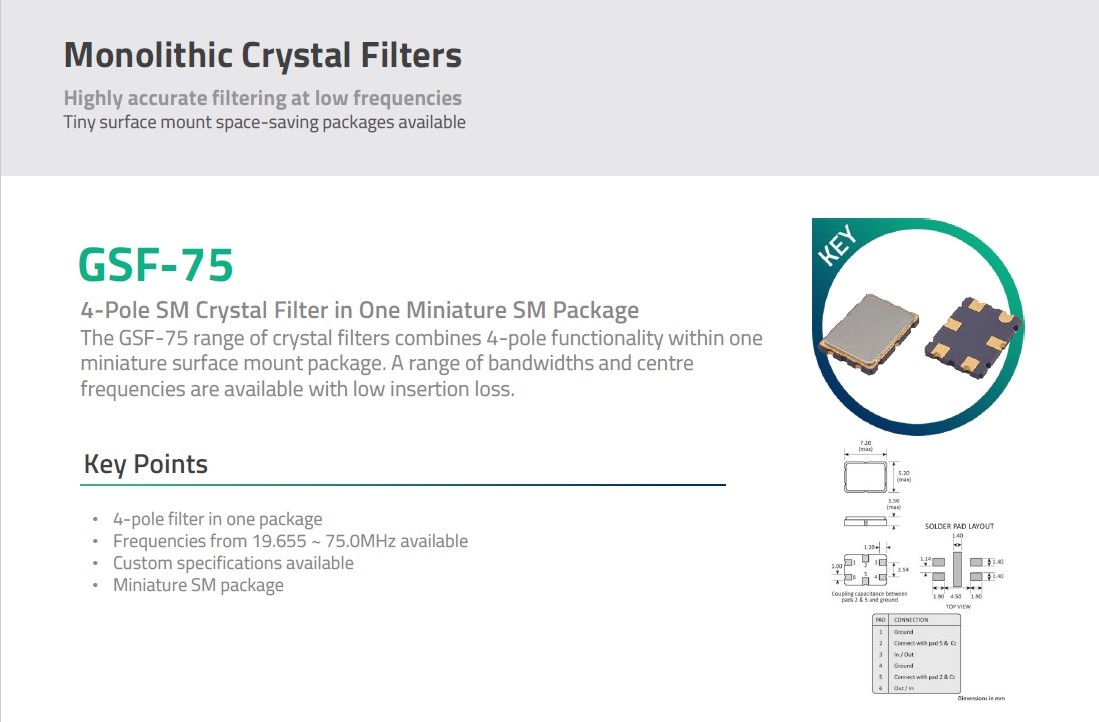
  • 38.8550 MHz and 29.2550 MHz GSF-75 Monolithic filter
  • 19.20 MHz TCXO GTXO-91
  • 159.1625 MHz SAW filter TA0395A

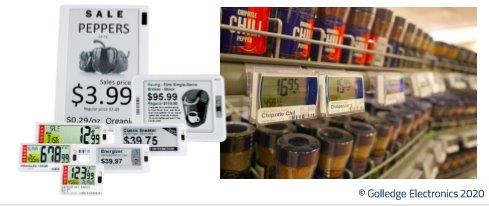
Retail: Shelf Edge Labels (SEL)

Picture Products
  • 32.768 kHz GSX-315 ±20ppm 12.5pF
  • 24.0 MHz GSX-333/1P2NF 9pF crystal
  • 26.0 MHz GSX-333/1NBNF 9pF crystal

More Applications

Applications Pictures
Automotive, including Autonomous Vehicles
IoT and Smart Infrastructure, including Smart Rail
5G Infrastructure and 5G Devices
Marine and AIS
Asset and Wildlife Trackers and UWB Technology
Smart Metering

Know-How

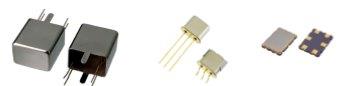
Crystals


What are they?
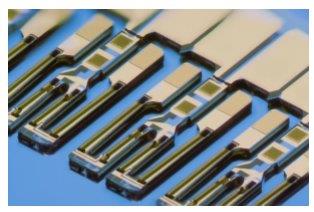
AT-cut crystals are made of a thin slice of quartz with an electrode attached to each face. The electrode can be made of aluminium, silver, or gold (or some combination).
Tuning fork crystals (32.768kHz) as the name suggests are made from a tiny quartz two pronged fork. It has two electrodes (made of layers of silver and gold).
Both types of crystal are housed in hermetically sealed packages

What do they do

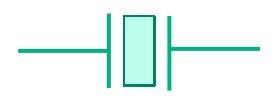
They are resonators. The electrical signal applied across the electrodes is turned into a mechanical vibration. The mechanical vibration is turned back into an electrical signal. The mechanical structure resonates at a particular frequency (like a tuning fork or bell). That mechanical resonance appears as an electrical resonance across the electrodes (the electrical series resonance of the crystal).
Picture Block diagram Characteristics
  • Frequency - Golledge crystals are available from 10.0kHz up to 315MHz
  • Package size - packages as small as 1.2 x 1.0 x 0.35mm are available with the most economic package size being 3.2 x 2.5mm
  • Calibration tolerance @25°C (ppm)
  • Temperature stability (ppm) – not relevant for watch crystals (tuning forks)
  • Operating temperature range
  • Circuit condition (pF)

Oscillators


What are they?
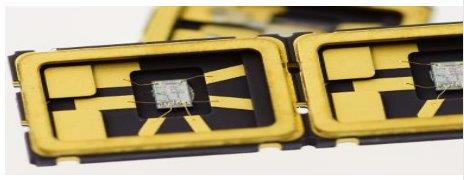
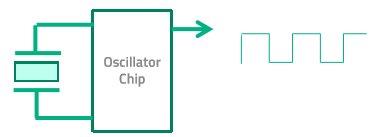
The combination of a crystal and a silicon integrated circuit in the same package. Some older parts have a collection of discrete components in place of a single IC.

What do they do:
Produces an electrical signal at a very precisely defined frequency. Oscillators provide a finished produce with the oscillator circuitry included.
Picture Block diagram Characteristics
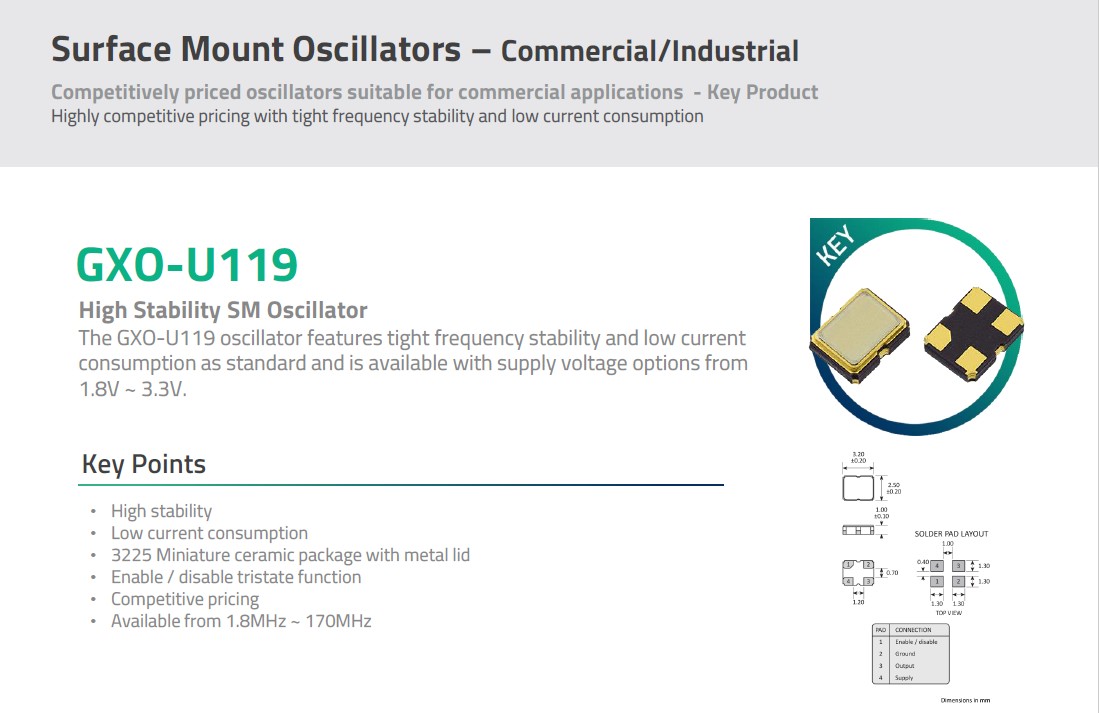
  • Frequency Golledge oscillators are available from frequencies of 10.0kHz up to 270MHz
  • Package size – packages as small as 1.6 x 1.0 x 0.6mm are available, with the most economic package size being 3.2 x 2.5mm
  • Frequency stability – Oscillators with stabilities as tight as ± 2.5ppm are available
  • Operating temperature range
  • Supply voltage (V)
  • Output – CMOS, LVDS and LV - PECL outputs are available

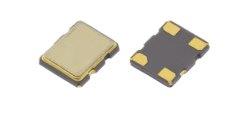
Temperature Compensated Oscillators (TCXOs)


What are they?
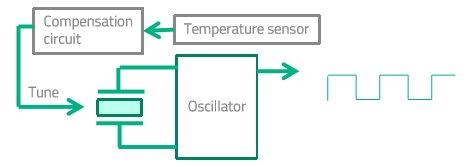
An oscillator with a temperature controlled tuning circuit added, that aims to cancel out the temperature variation of the oscillator.

What do they do:
Produces an electrical signal at a very precisely defined frequency. Temperature compensated oscillators (TCXOs) possess greater frequency accuracy than a standard oscillator or crystal.
Picture Block diagram Characteristics
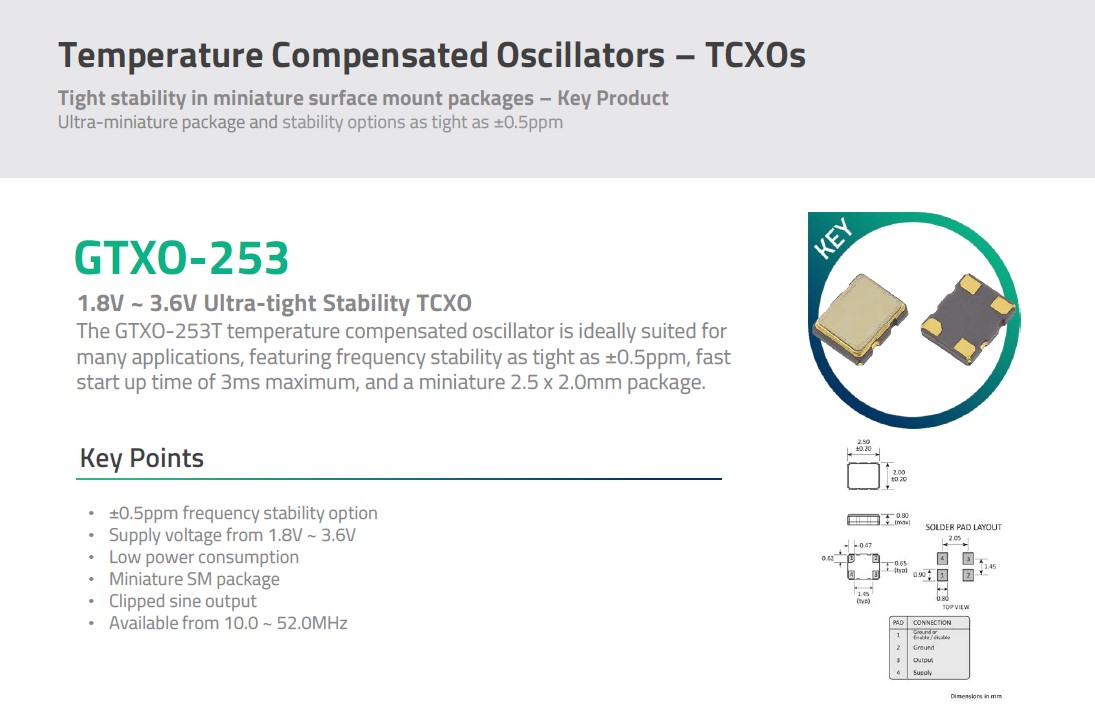
  • Frequency Golledge TCXOs are available from frequencies of 32.768kHz up to 100MHz
  • Package size – packages as small as 1.6 x 1.2 x 0.7mm are available, with the most economic package size being 2.5 x 2.0 mm
  • Frequency stability – TCXOs with stabilities as tight as ± 0.5ppm are available
  • Operating temperature range
  • Supply voltage (V)
  • Output – CMOS, and Clipped - Sine outputs are available

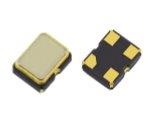
Voltage Controlled Oscillators (VCXOs)

What are they?
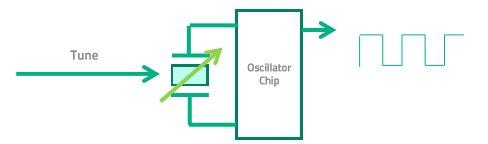
A tuneable version of the oscillator. Allows frequency tuning over a very small range.

What do they do:
Produces an electrical signal which may be pulled over a very small range of frequencies. Voltage controlled oscillators (VCXOs) possess greater frequency flexibility than a standard oscillator.
Picture Block diagram Characteristics
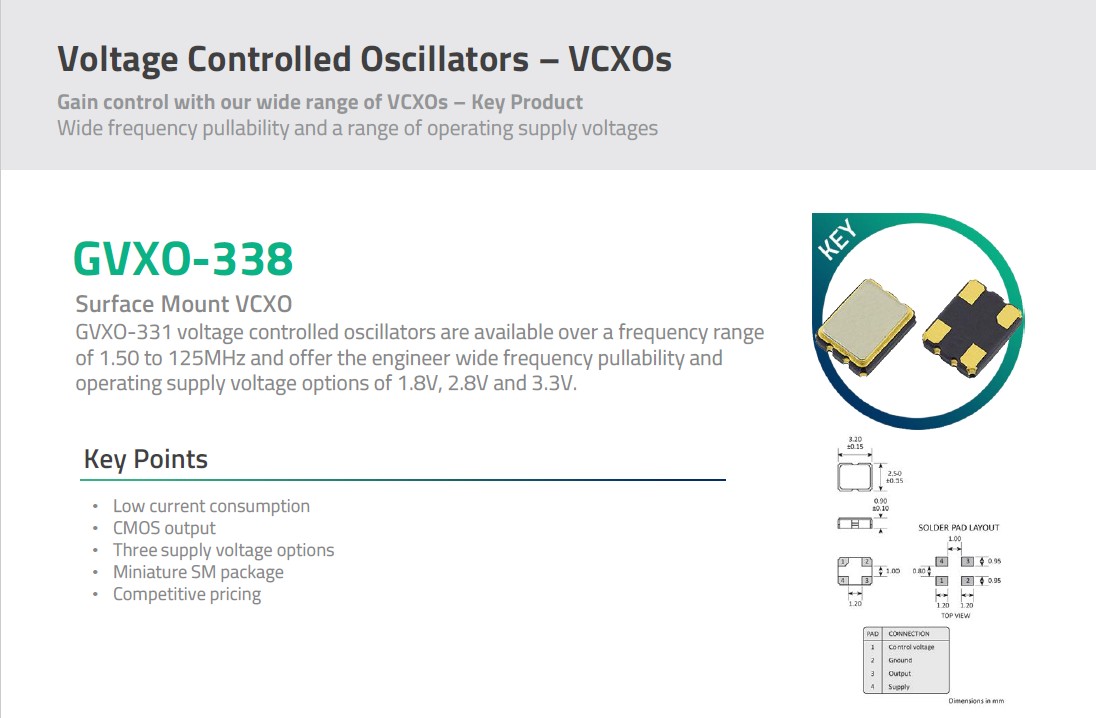
  • Frequency Golledge VCXOs are available from frequencies of 1.0MHz up to 250MHz
  • Package size – packages as small as 3.2 x 2.5 x 1.1mm are available
  • Frequency Pullability – VCXOs with frequency pullability as wide as ± 35 0ppm are available
  • Frequency stability – VCXOs with stabilities as tight as ± 25ppm are available
  • Operating temperature range
  • Supply voltage (V)
  • Output – CMOS, ECL, PECL, LVDS and LV - PECL outputs are available

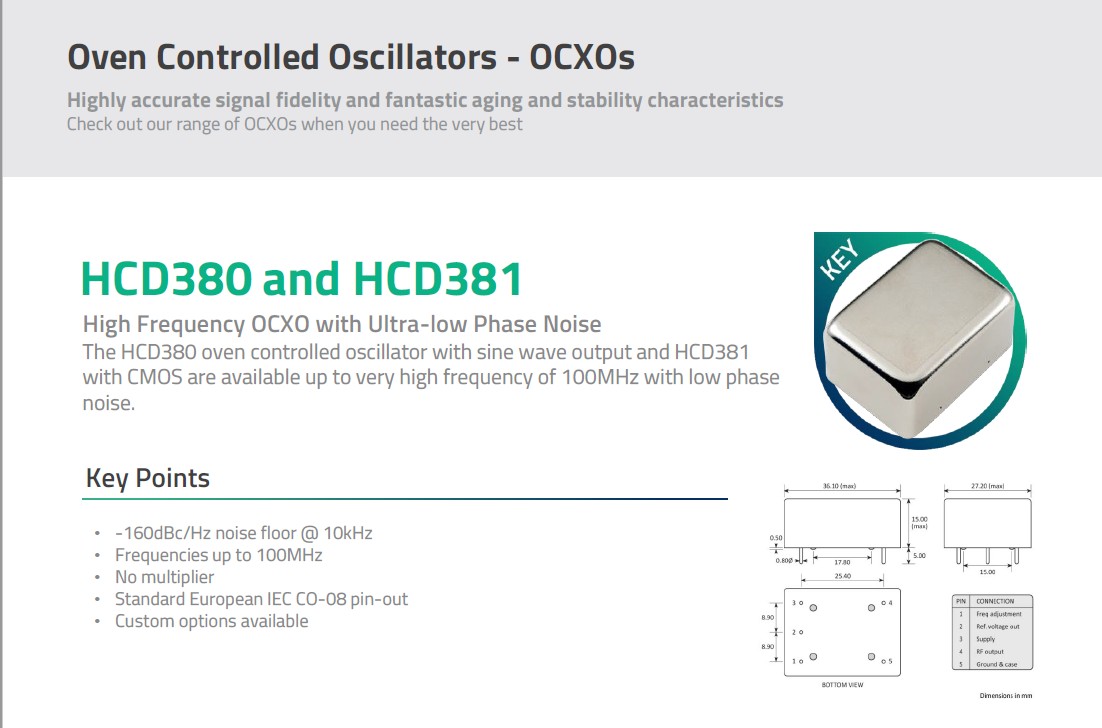
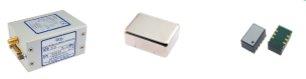
Oven Controlled Oscillators (OCXOs)


What are they?
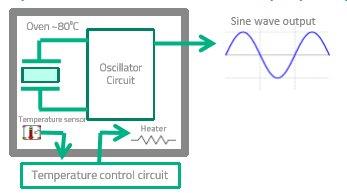
An oscillator inside a small oven that keeps it at a constant temperature, virtually eliminating frequency variation due to variation in outside temperature.

What do they do:
Produces an electrical signal at a very precisely defined frequency. Oven controlled oscillators (OCXOs) possess much greater frequency stability than standard oscillators or temperature compensated oscillators. Engineers tend to specify an OCXO when low phase noise is required or a very low daily ageing rate is needed in addition to exceptional frequency accuracy.
Picture Block diagram Characteristics
  • Frequency - Golledge OCXOs are available from frequencies of 10.0kHz up to 120MHz
  • Package size – OCXOs come a wide range of packages including DIL - 14, chassis mounted and surface mount packages as small as 14 x 9.1 x 6.9mm are available
  • Temperature stability – OCXOs with stabilities as tight as ± 0.05ppm are available
  • Operating temperature range
  • Daily Ageing rate – Daily ageing rates as low as <2x10 - 10 are available
  • Supply voltage (V)
  • Output – CMOS and Sinewave outputs are available
  • Phase noise – phase noise characteristics as low as - 160dBc/Hz @ 10kHz are available

Real Time Clocks (RTCs)


What are they?
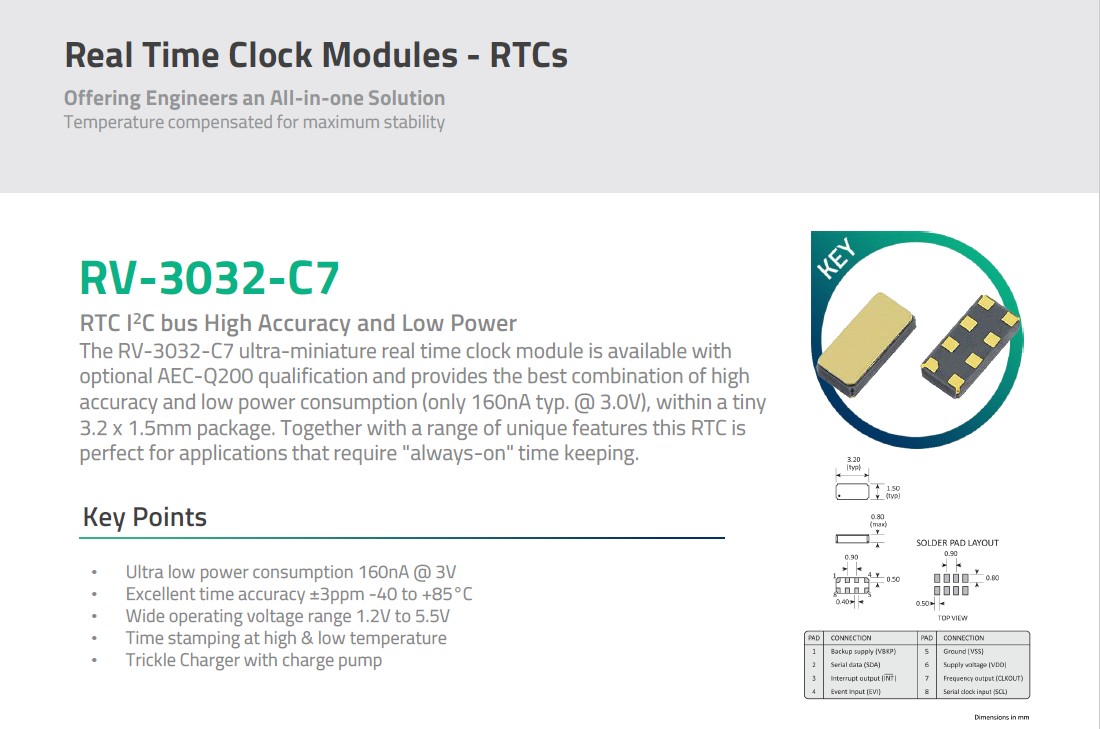
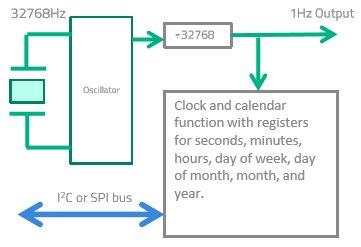
RTC stands for Real Time Clock. Our RTCs consist of a clock chip and matching tuning fork crystal in a single compact surface mount package.

What do they do:
Tells the time and date. RTCs also have alarms that can be set to the time and date of the users choosing. They communicate with a microcontroller via serial bus and an interrupt line. RTCs have a wide range of optional extra functions include battery backup (with backup battery charger), temperature compensation, event time stamps, low frequency clock output, and user RAM.
Block diagram Characteristics
  • Frequency RTCs are only available with frequency of 32.768kHz
  • Package size – packages as small as 3.2 x 1.5 x 0.8mm are available
  • Temperature stability – RTCs are available with temperature compensation (to ensure stability over a required temperature range such as - 20 to +70 ° C) or without temperature compensation when stabilities will be specified at 25 ° C. Temperature stabilities as tight as ± 1ppm are available
  • Required power consumption – this may be important to some projects using an RTC. Power consumptions as low as 45 nA is available
  • Operating temperature range
  • Supply voltage (V)
  • RTC interface – I2 C (I2C) bus or SPI bus are available

Monolithic Crystal Filters


What are they?
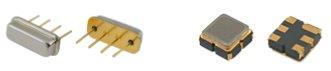
Two or four resonators made on the same slice of quartz. Their vibrations couple through the quartz structure. There are electrodes for input, output, and ground. Crystal filters with sharper cut-off can be made by combining monolithic filters in the same package. Filters with 8 resonators (referred to as 8 pole) made of 4 monolithic resonator pairs are available.

What do they do:
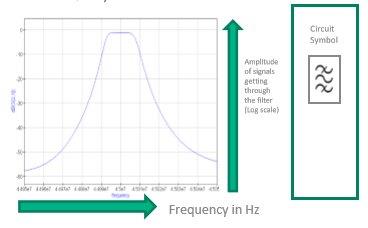
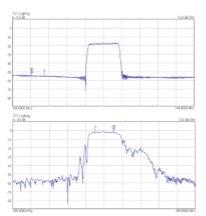
Filter signals using a very specific centre frequency and steep passband characteristics
Picture Block diagram Characteristics
  • Centre Frequency Crystal filters are available with a range of commonly used centre frequencies from 10.7MHz up to 90MHz
  • Package size – crystal filters are available in a range of package types including packages as small as 6.2 x 3.7 x 1.1mm
  • Bandwidth @3dB – a range of passband widths are available, including as tight a 2kHz, and as wide as 30kHz around the centre frequency
  • Operating temperature range

SAW Resonators

What are they?
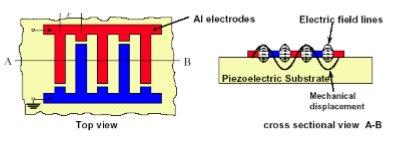
A slice of quartz with a pair of aluminium electrodes in an interdigital pattern on one side of the quartz and housed in a hermetic package.

What do they do:
Behaves electrically similar to a crystal but with a resonance in the UHF frequency range which is specified by the series resonance. The temperature characteristics of a SAW resonator are similar to a tuning fork crystal.
Picture Block diagram Characteristics
  • Frequency SAW Resonators are available from frequencies of 245.76MHz up to 1.28GHz
  • Package size – packages as small as 3.0 x 3.0 x 1.15mm are available
  • Frequency tolerance (kHz) – SAW Resonators with frequency tolerances as tight as 25kHz are available

SAW Filters


What are they?
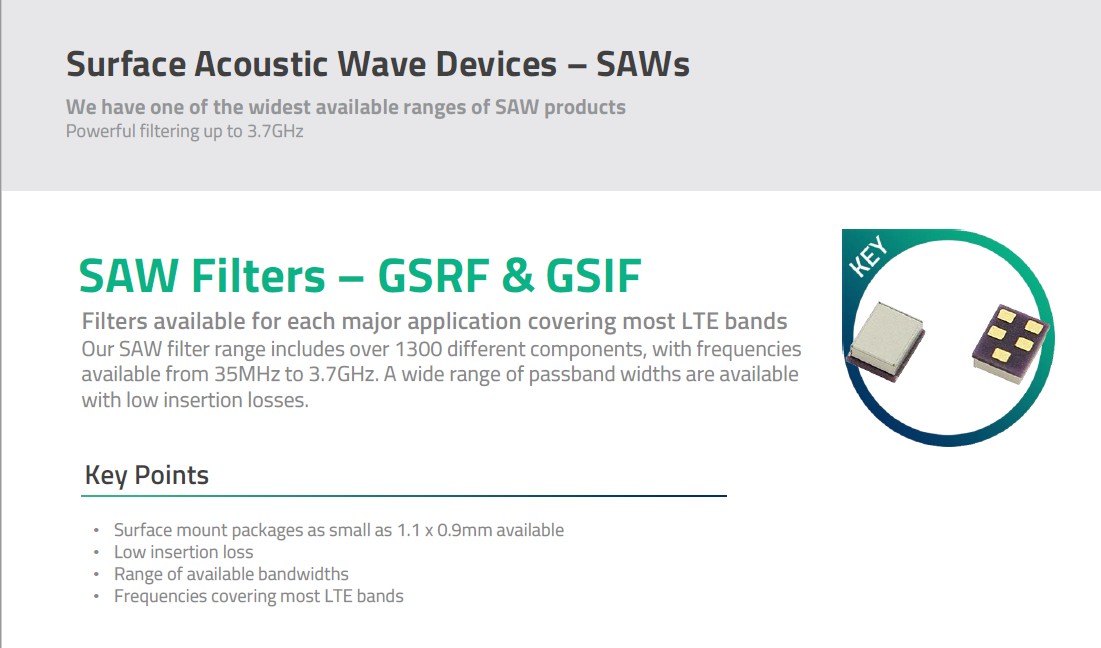
SAW stands for Surface Acoustic Wave. The material used can be quartz, but is more commonly other piezoelectric materials with greater electric - mechanical conversion. As the name suggests these filters use ripples traveling on the surface of a substrate. The ripples are guided and reflected by complex patterns of aluminium fingers on the surface that passes ripples of a certain wavelength and rejects others. Some of the aluminium fingers also serve to connect the input and output electrical signals converting to/from the surface ripples.

What do they do:
Filter signals up to very high centre frequencies, into the GHz range. SAW filters have a much wider range of bandwidths than crystal filters.
Picture Block diagram Characteristics
  • Centre Frequency SAW filters are available with a range of commonly used centre frequencies in both the IF and RF ranges, from 35MHz up to 3.7GHz
  • Package size – SAW filters are available in ultra miniature packages as small as 1.1 x 0.9 x 0.5mm
  • Bandwidth – a range of passband widths are available, including as tight a 2kHz, and as wide as 150MHz around the centre frequency
  • Insertion loss – many projects require as low insertion loss as possible, our SAW filters are available with insertion losses as low as 2dB

SAW Duplexers


What are they?
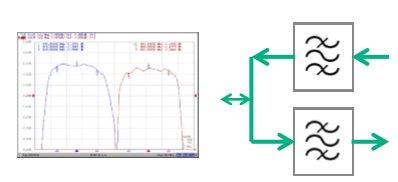
A pair of SAW filters with different passband frequencies in a single package. The connections at one side of the two filters are tied together.

What do they do:
Splits a signal path in two depending in frequency. Often used to connect a transmitter and receiver to a single antenna when the transmitter and receiver operate on different frequencies. The two filters are designed such the each does not affect the passband performance of the other.
Picture Block diagram Characteristics
  • Tx (Transmit) and RX (Receive) Frequencies SAW Duplexers are available with a range of Tx and Rx frequency options to suit most communication bands including LTE.
  • Frequencies are available from as low as 313MHz up to 2.6GHz
  • Package size – SAW Duplexers are available in ultra - miniature packages as small as 1.8 x 1.4 x 0.54mm
  • Bandwidth – a range of passband widths are available, including as tight a 200kHz, and as wide as 70MHz around the centre frequency
  • Insertion loss – many projects require as low insertion loss as possible, our SAW filters are available with insertion losses as low as 2dB
  • Operating temperature range