Homepage

Datasheets

Presentations

Flyers

Catalog Selector Guide

About Cambridge IC

Location: Cambridge, UK


CambridgeIC develops integrated circuits for sensing the precise position of moving parts in machines. We specialise in resonant inductive position sensing, and our team has been leading the development of this technology for over 18 years.

Our customers are designers of electromechanical products seeking an innovative edge. Resonant inductive technology helps simplify product manufacture. Position sensors are built from conventional PCBs, so that they are accurate, robust and cheap to manufacture. However until CambridgeIC's foundation in 2007, the technology required special design skills. Our mission is to make design-in straightforward, by providing customers with a single-chip solution and a set of standard designs and integration tools.

TURCK Exclusivity Notice for Industrially Housed Sensors

TURCK is a leading manufacturer in the field of industrial automation. We have partnered with TURCK to deliver a range of position sensing products for this market.

TURCK is CambridgeIC’s exclusive partner

for fixed location industrial automation applications (i.e. factory or other production process), where the relevant sensor parts are industrially housed (i.e. within a separate unit and thereby protected from damage during installation and use), and then physically incorporated into the production line

Business Model


System Overview and Description

General Instruction

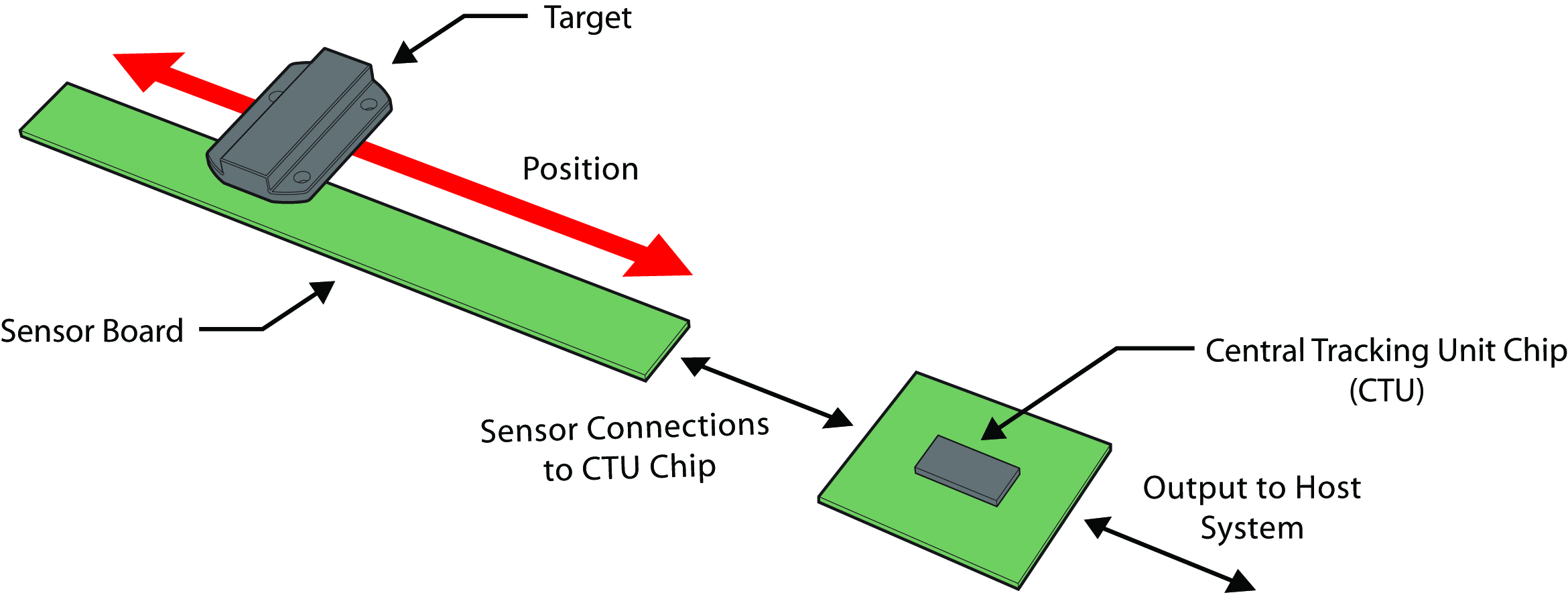
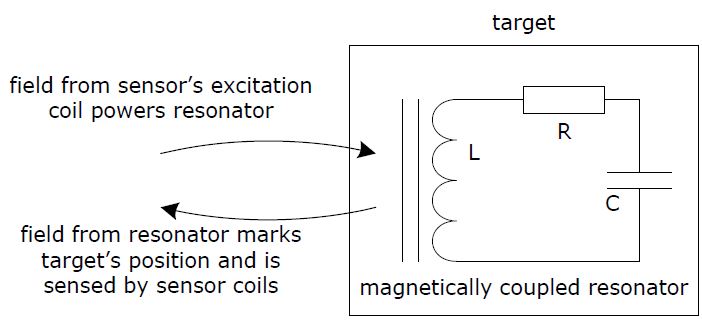
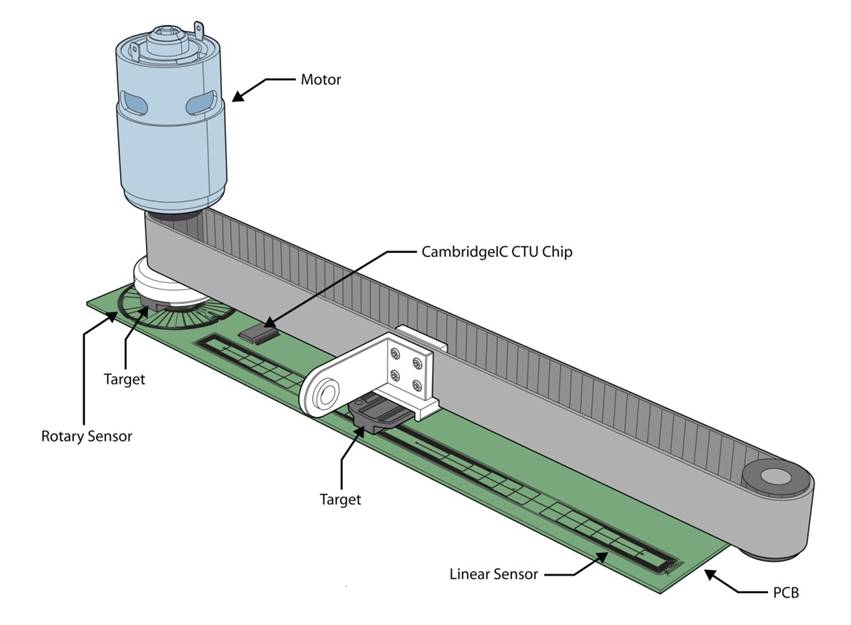
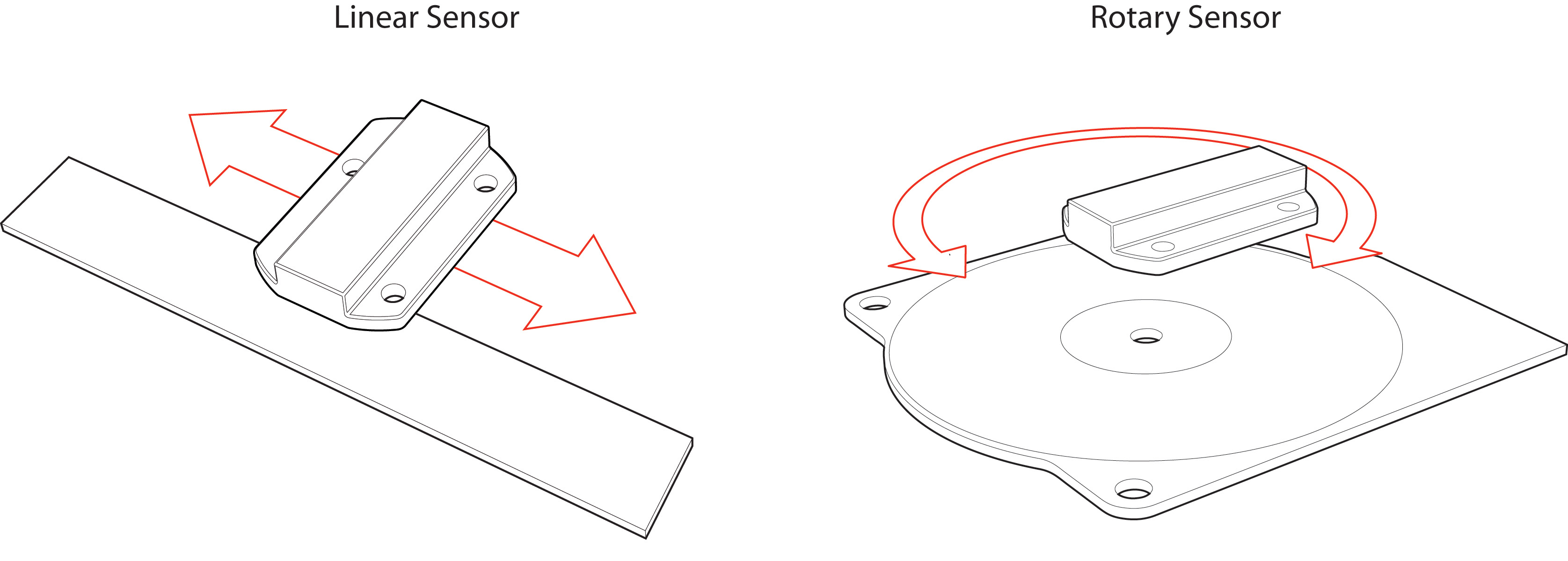
Resonant Inductive Position Sensing is used to track the position of a target without mechanical or electrical contact. The target includes an inductively coupled resonator which is measured relative to a sensor.
The sensor is usually implemented using conventional Printed Circuit Board (PCB) technology, when it is referred to as a Sensor Board.
An electronic processing system interacts with the sensor to power the resonator and to detect the signals that it returns. The detected amplitudes of these signals are processed to calculate position.

CambridgeIC’s single-chip processing solutions are called Central Tracking Units (“CTUs”). These have been designed to enable customers to develop applications themselves with the minimum of effort, and to deploy those solutions in high volume at low cost.

Applications:


• Principle: inductive
• Sensor: coils on PCB
• Target: LC resonator

Sensor Equivalent Circuit

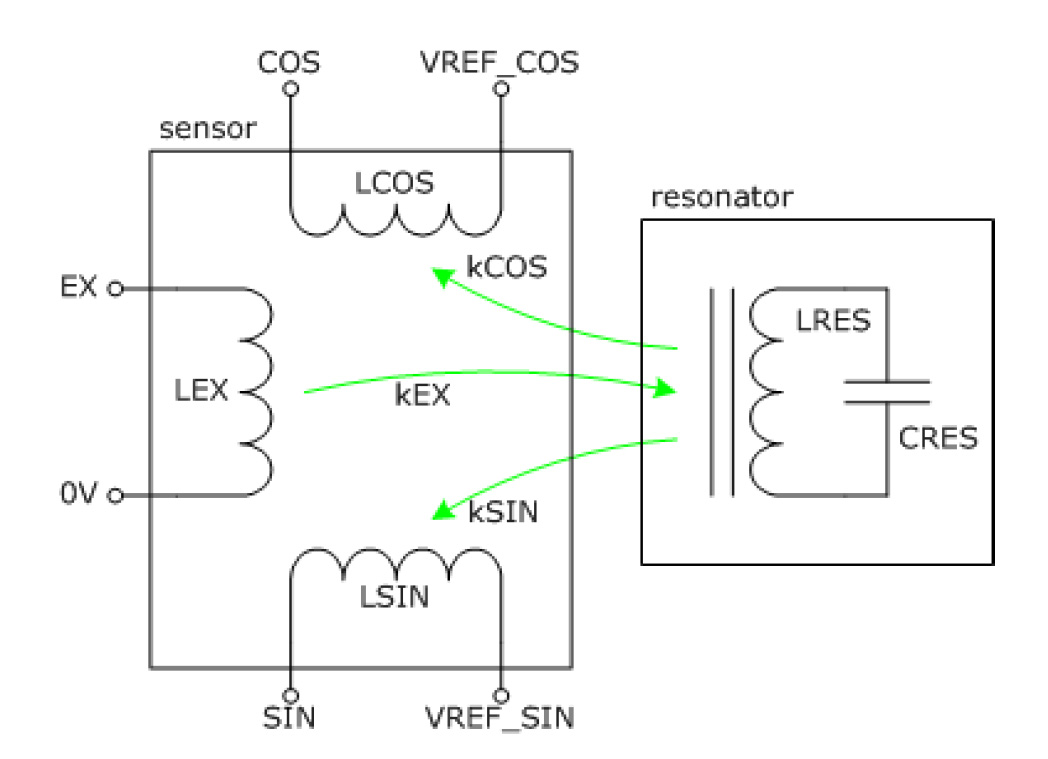
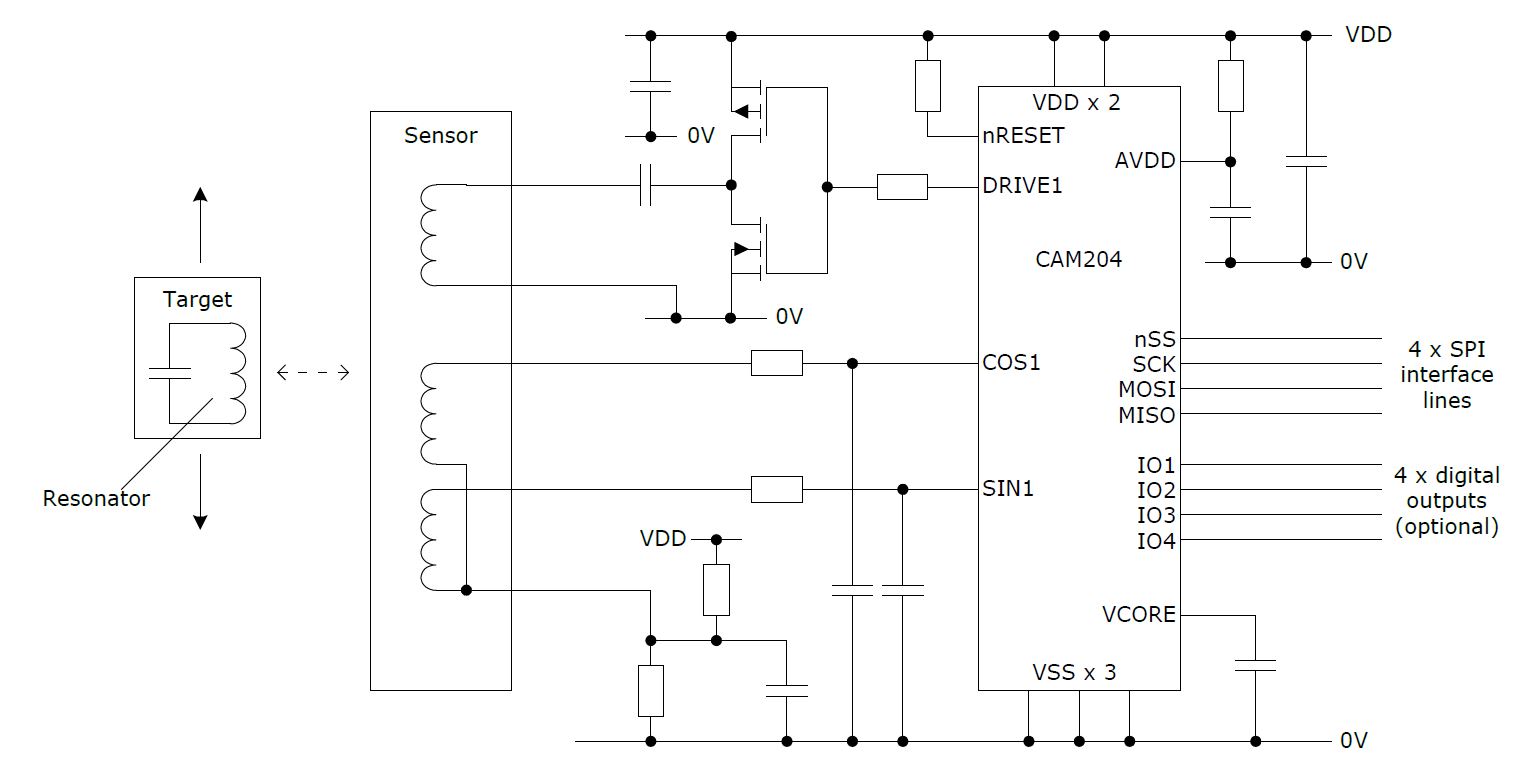
The figure below illustrates the equivalent circuit of a “Type 1” resonant inductive position sensor. The sensor has one coil to inductively power the resonator (the excitation coil: EX) and two sensor coils to detect the signals returned by the resonator (the COS and SIN coils).
The COS and SIN coils are patterned so that the coupling factor between the resonator and each sensor coil changes with position in a predetermined way. Electronic processors differ in the approaches that they use to interrogate the sensor and the number of excitation and sensor coils. However they all measure coupling factors, and use the result to calculate position.


• CTU chip exites sensor EX coil
• Resonator in target oscillates
• CTU chip detects resonator signals

Linear Type 1 Coil Design

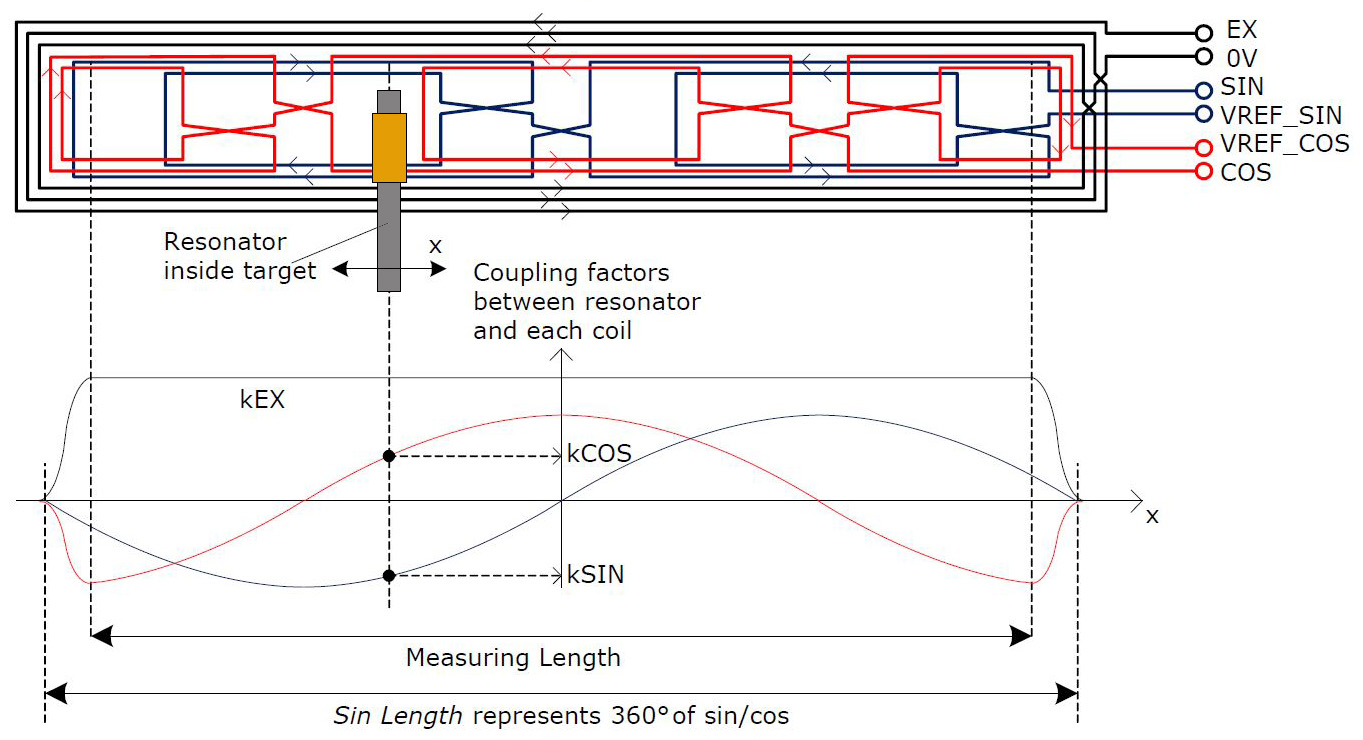
The figure below illustrates a simplified version of a Type 1 sensor coil design used by CambridgeIC for linear position sensing. Rotary sensors use a similar principle, with the coils arranged in a circle.The excitation coil is shown in black and surrounds the two sensor coils. As shown on the graph underneath, its coupling factor to the resonator is approximately constant, so that the resonator is always powered when the resonator is within the Measurement Range.
The COS and SIN coils are patterned so that their coupling factors to the resonator kCOS and kSIN vary sinusoidally along the Measurement Range. This approach is also commonly used in LVDTs, RVDTs and resolvers.
Sensor coils are balanced (they have portions wound in opposite directions) so that inductive interference cancels.


Sensor Types

Type 1: Single Channel Sensor (9–11 bit Noise Free Resolution)

Type 2: Dual Channel Linear Sensors (up to 16 bit Noise Free Resolution)

Type 3: Dual Channel Sensor

Type 4: Single Channel Sensor (9–11 bit Noise Free Resolution)

Type 5: ...

Type 6: Dual Channel Rotary Sensor (13–16 bit Noise Free Resolution)


Electronic Interrogation

CambridgeIC’s CTU chips generate a drive waveform that is used to power the resonator, and detection circuitry to measure the levels of return signals from which coupling factors are determined.
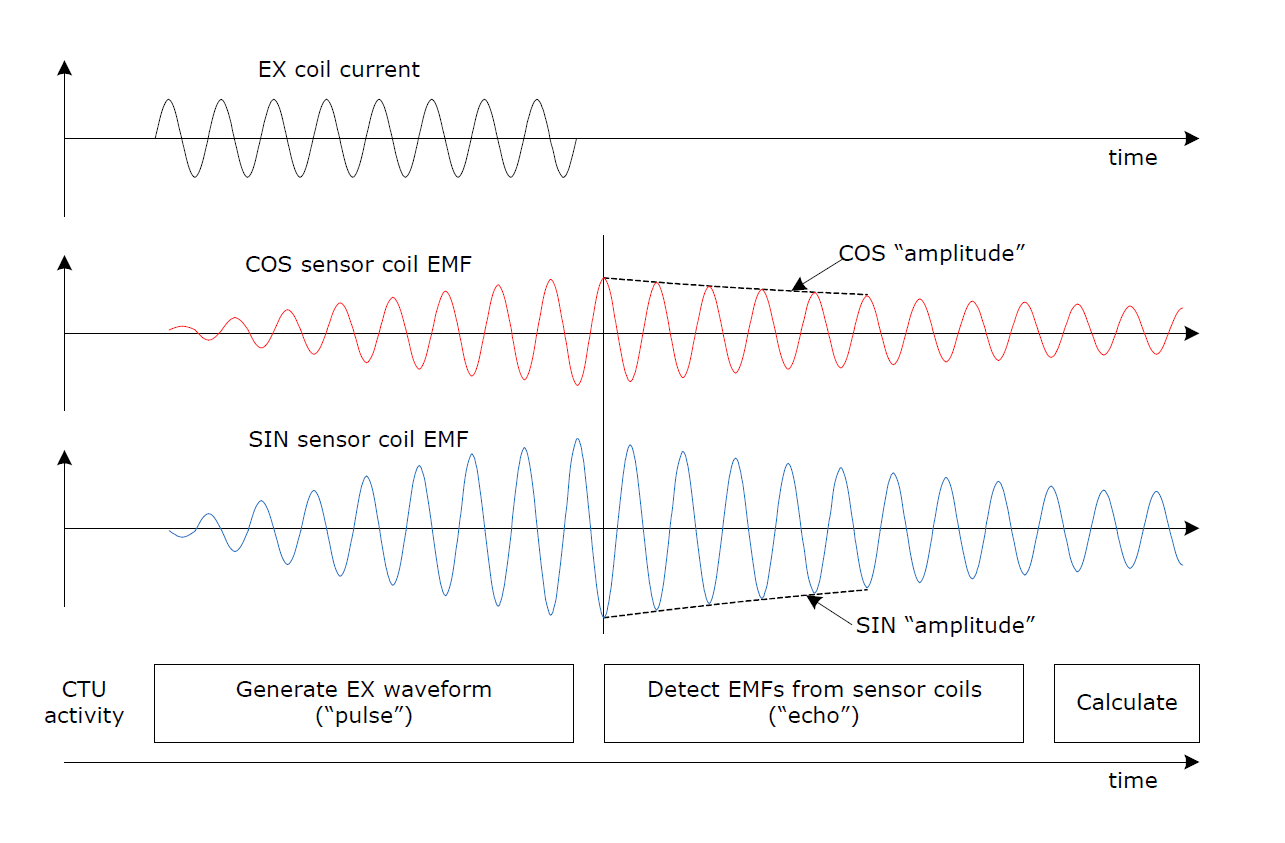
The normal measurement approach is “pulse echo”, where the drive waveform is applied to power the resonator and is then removed for detection. This approach minimises errors due to direct coupling from the excitation to sensor coils, including any connecting leads that may be used. The sequence of events is illustrated below.
CTU chips detect resonator frequency, and they continuously adjust their operating frequency to match the resonator for optimum signal level.


Position Calculation

Position Calculation is performed automatically inside CambridgeIC’s CTU chips. The type of position calculation depends on the arrangement of coils in the sensor. Resonant Inductive Position Sensors use ratiometric calculations for immunity to resonator Q-factor, supply voltage and component variations.
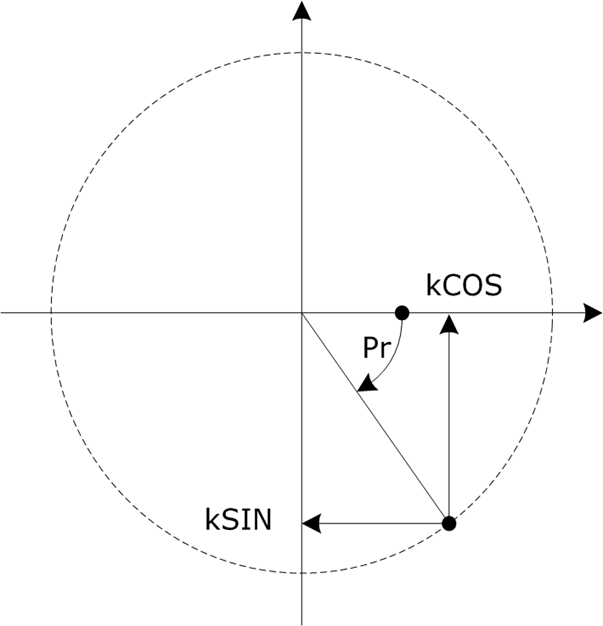
The sensor coils of a Type 1 sensor are patterned to produce a SIN/COS variation of coupling factor with changes in position. The calculation of position (Pr in the figure to the right) is equivalent to the calculation of phase angle, and is performed with a 4-quadrant inverse tangent.
This section dealt with how measurements of coupling factors can be used to determine position. The next section deals with how those coupling factors are measured electronically by the CTU.


• Position calculation 4-quadrant atan
• Some sensors use fine + coarse pitch for higher precision


New Products

Axial Sensors


Press Release (Deutsch)
Presentation (Deutsch)
CAM Sensor Axial Type 3 (Englisch)

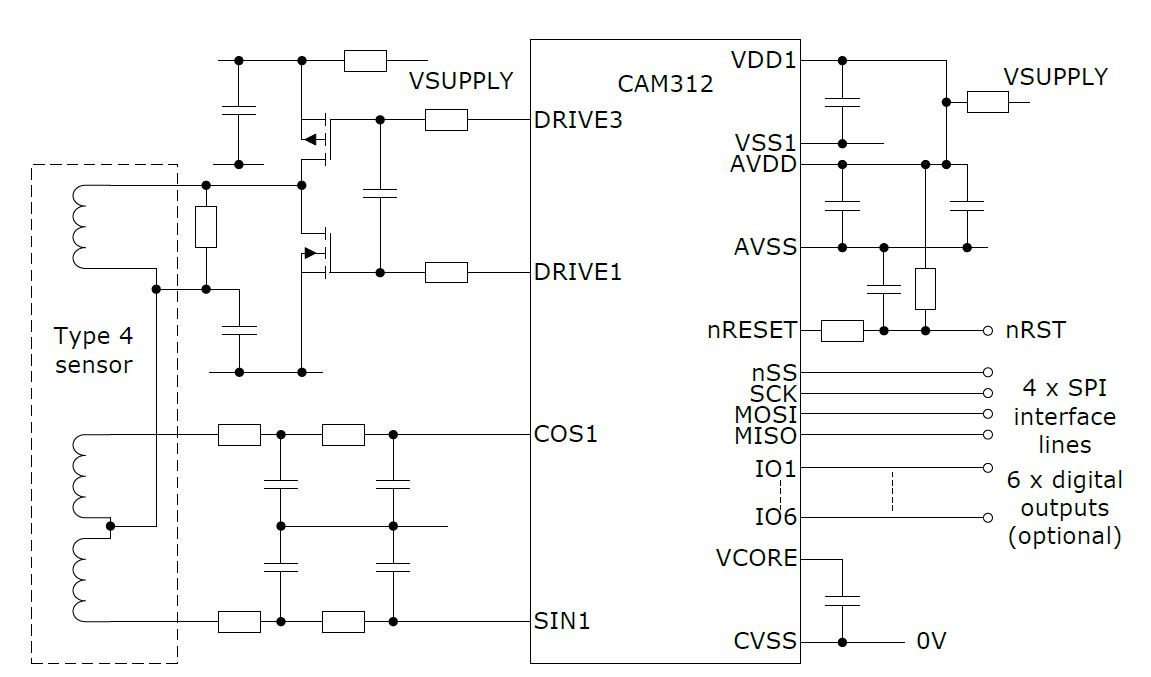
CAM312 - 2-channel sensor processor

Link to CAM312

Resonant Inductive Absolute Position Sensor


Documentation/Presentations:

Cambridge IC Presentation (Deutsch)
Fachaufsatz: Induktive Resonator-Positionserkennung (Deutsch)
Cambridge IC Presentation (English)
The Resonant Inductive Operating Principle (English)

End Shaft Operation Principle (English)

Datasheets (English)

MEV Offline-Website: Absolute Position & Angle Sensors

Highlights


  - absolute position sensing
  - low cost
  - non contact
  - large gap possible
  - tolerant of misalignment
  - insensitive against dirt, dust, oli, salt water, metallic swarf, cleaning fluids
  - multi axis
  - integrate sensors and electronics
  - stability from PCB technology
  - precision from CTU Chip
  - high resolution (10..16 bit)
  - high Q resonator for high signal level


Products: Central Tracking Unit CTU

Content
Picture Features & Typical Circuit Performance Links

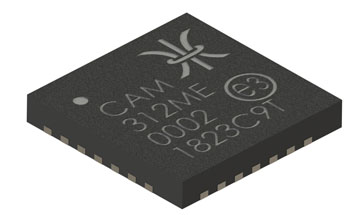
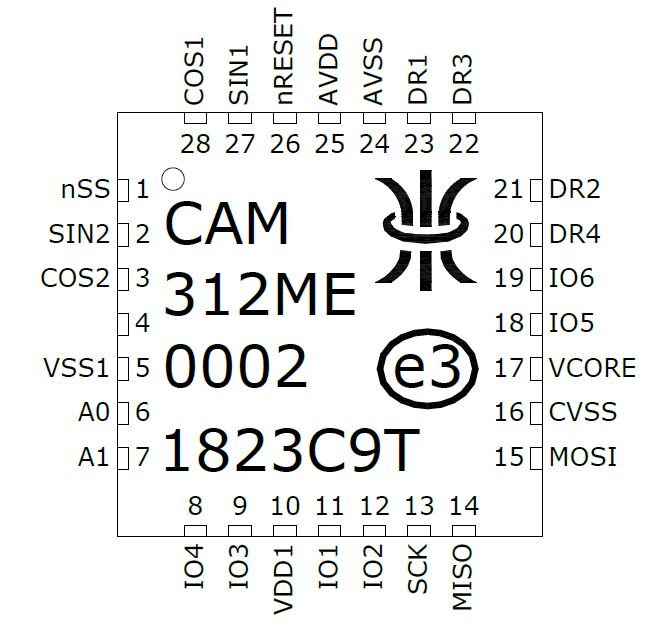
CAM312:

2-channel sensor processor


  • Resonant inductive position sensing engine
  • Fully ratiometric measurements
  • Automatic tuning to target frequency
  • Fast SPI communications (slave device)
  • User IOs for sample indicators
  • Measures two Type 4 sensors or one Type 2 or 6
  • SPI interface checksum available for integrity check
  • Internal software upgradable over SPI

  • Noise Free Resolution 10…15 bits depending on sensor
  • Up to 2000 position samples per second
  • Resonator frequency tuning range at least ±10%
  • Short Group Delay of 200μs
  • 6mm x 6mm QFN28 package


CambridgeIC’s Central Tracking Unit (CTU) chip is a single-chip processor for position measurement. It implements the electronic processing for resonant inductive position sensing technology.
The CTU measures the position of contactless, inductively coupled targets relative to sensors that are built from printed circuit boards to CambridgeIC’s design.
The CAM312 supports a wide variety of different sensor types, including rotary and linear.


Datasheet

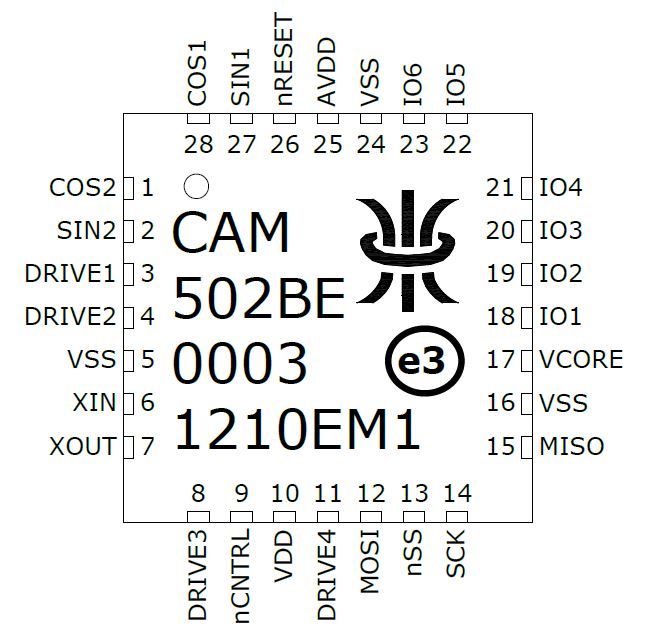
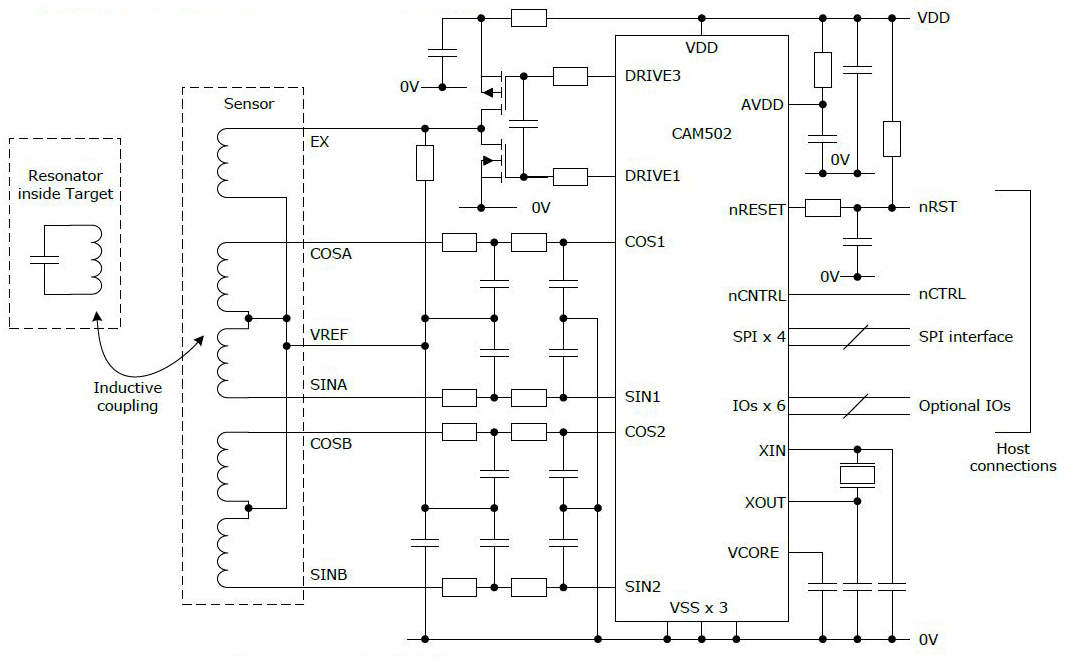
CAM502:

2-channel high speed sensor processor

  • Resonant inductive position sensing engine
  • Fully ratiometric measurements
  • Automatic tuning to target frequency
  • SPI communications (slave device)
  • Pipeline measurement for high-speed operation
  • Control input for synchronising measurements
  • User IOs for position triggers and sample indicators
  • Internal software upgradable over SPI
  • Works with Type 2 and 6 Sensors
  • External crystal controlled timing
  • 6mm x 6mm QFN28 package

  • Group Delay physical position to SPI ready <=140μs
  • up to 5100 independent samples per second
  • SPI interface bit rate up to 10Mbit/s
  • up to 15 bits noise free resolution without filtering
  • up to 18 bits noise free resolution with filtering
  • fits to BLDC motors

CambridgeIC’s CAM502 Central Tracking Unit (CTU) IC is a single-chip processor for precise position measurement. It implements the electronic processing for resonant inductive position sensing technology. The CAM502 is optimised for high-speed applications. The CTU measures the position of a contactless, inductively coupled target relative to a sensor that is built from


Datasheet


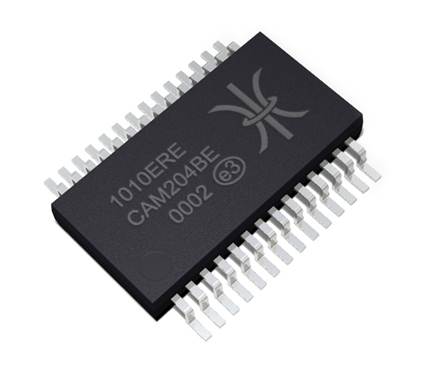
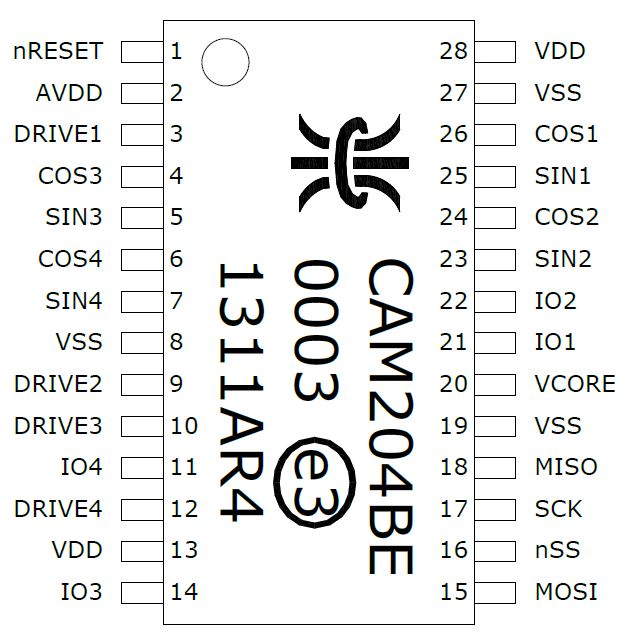
CAM204:

4-channel sensor processor


  • Resonant inductive position sensing engine
  • Fully ratiometric measurements
  • Automatic tuning to target frequency
  • SPI communications (slave device)
  • User IOs for position triggers and sample indicators
  • Measures up to 4 sensors
  • Can drive external DAC for up to 4 analog outputs
  • Internal software upgradable over SPI

  • 9 – 11 bit Noise Free Resolution Types 1&4
  • 13 – 16 bit Noise Free Resolution Type 6
  • Tunes to resonators across ±7% frequency range
  • < ±0.1% position change across temperature
  • -40°C … +125°C, extremely stable
  • 1000 measurements per second
  • Best fit for stepper motors and slower motion movement
  • 2.7V…3.6V supply, 5V tolerant I/Os
  • SPI interface
  • 28-pin SSOP package

CambridgeIC’s Central Tracking Unit (CTU) chip is a single-chip processor for position measurement. It implements the electronic processing for resonant inductive position sensing technology.
The CTU measures the position of contactless, inductively coupled targets relative to sensors that are built from printed circuit boards to CambridgeIC’s design.
The CTU supports a wide variety of different sensor types, including rotary and linear.

Datasheet


Products: Linear Sensor Boards

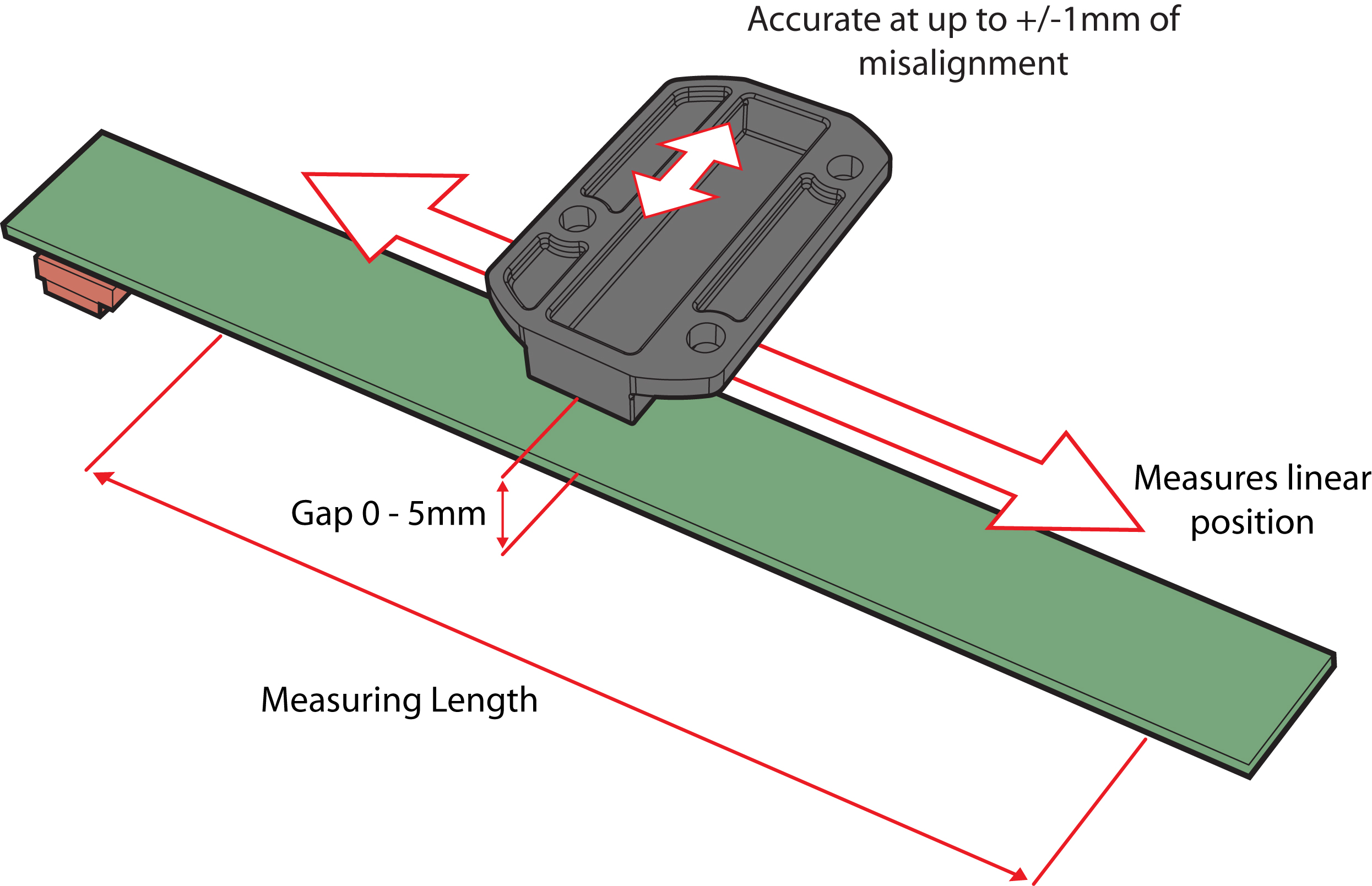
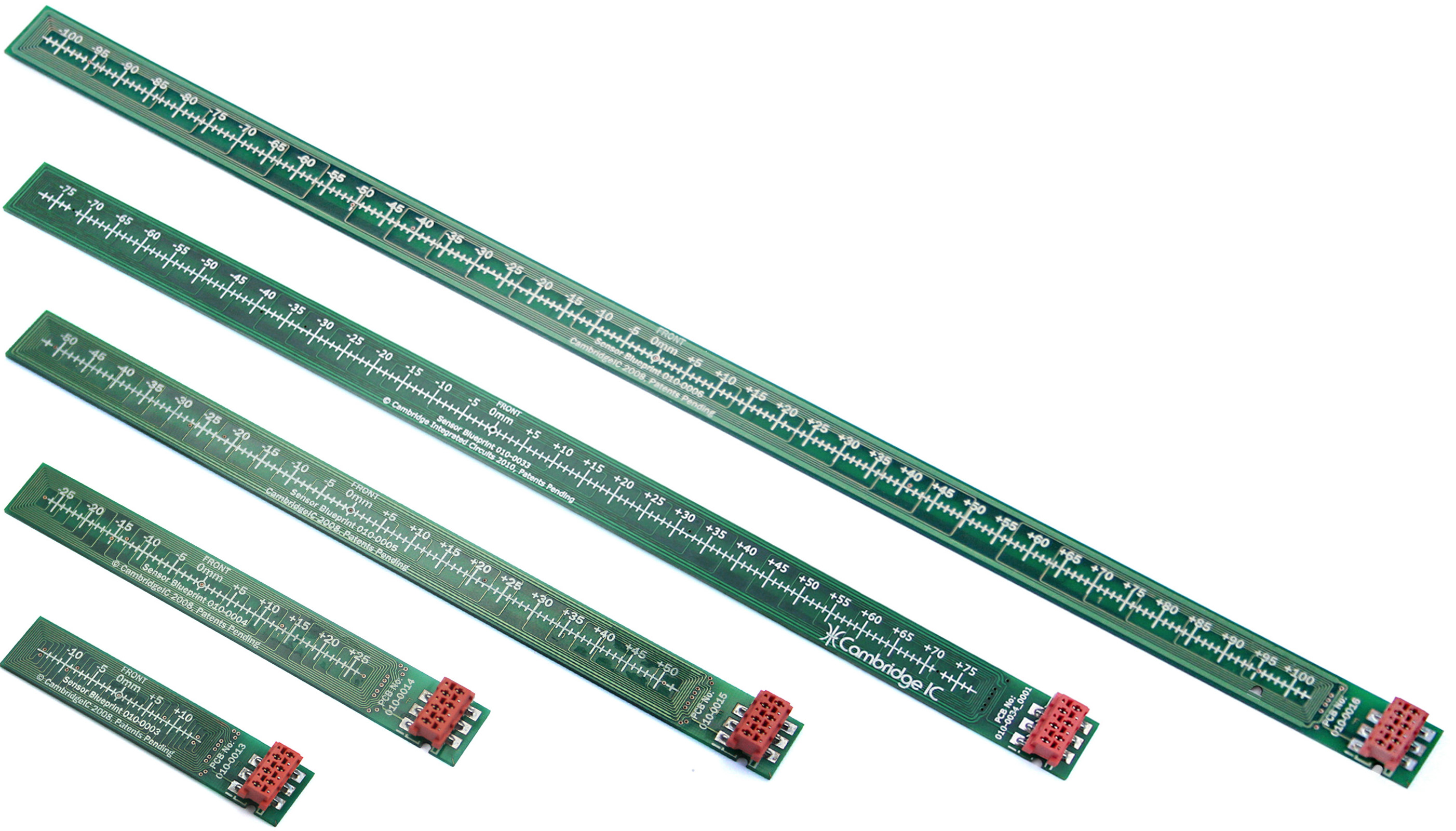
A range of linear resonant inductive position sensors for measuring linear position. Sensors work with CambridgeIC’s Central Tracking Unit (CTU) family of single chip processors to provide high-quality position data to a host device.
Sensors are available as blueprints in Gerber format, to enable integration with a customer’s own PCB. They are also available as assembled sensors for evaluation, customer prototyping and low-volume production.


Pictures Description Links

Type 1 Linear Sensors

Single Channel Sensor (9-11 bit Noise Free Resolution)

25mm Linear Sensor (013-007)
50mm Linear Sensor (013-008)
100mm Linear Sensor (013-009)
150mm Linear Sensor (013-013)
200mm Linear Sensor (013-010)
200mm Linear Sensor (013-019)

To be used with the Standard Target (013-1005) or E-Core Target (013-1020)

Datasheet

Type 4 Linear Sensors

Single Channel Sensors(9-11 bit Noise Free Resoluion)
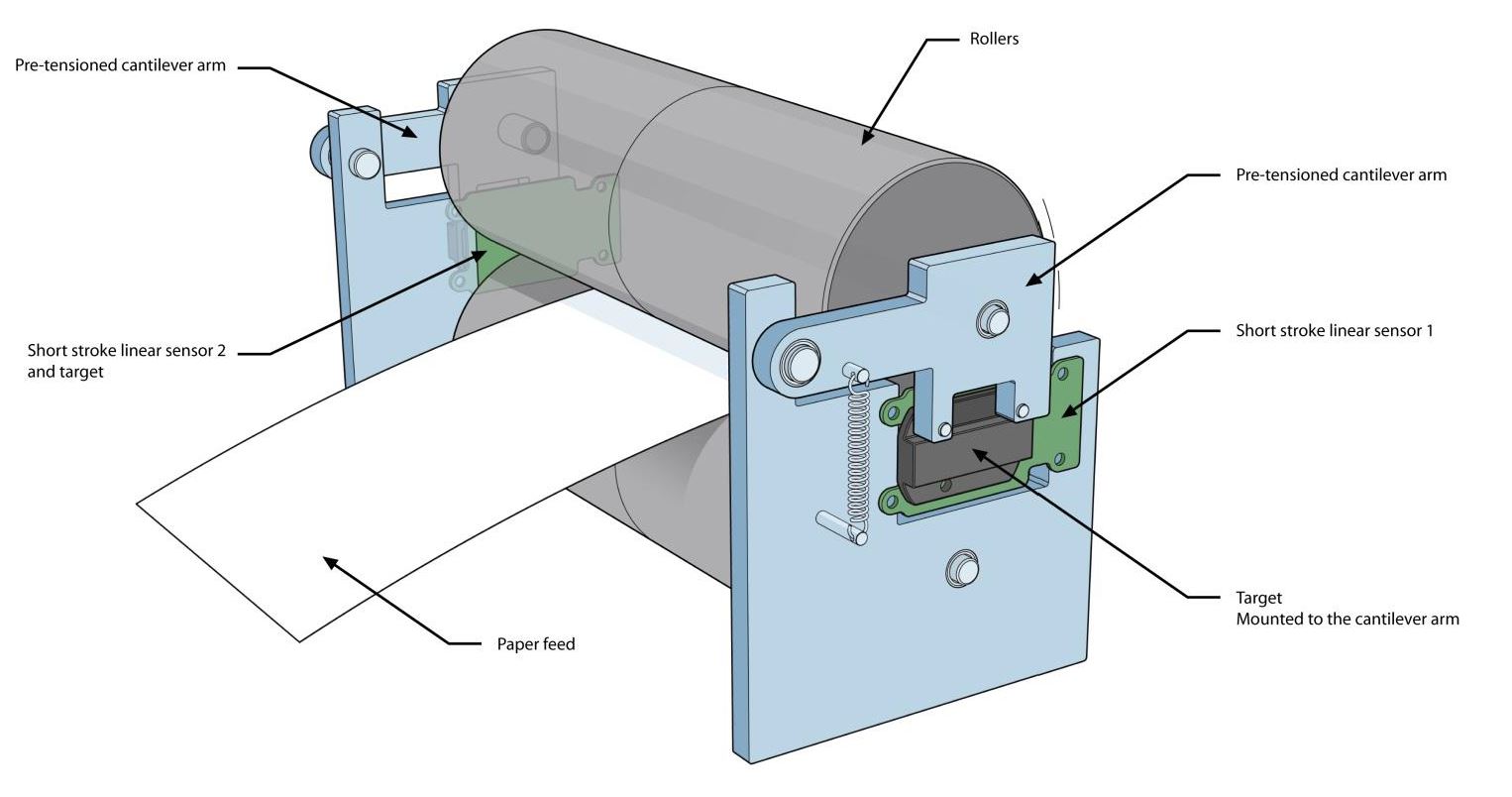
To be used with the Standard Target (013-1005) 5mm Linear Short Stroke Sensor (013-0016)

Application example: Paper thickness measurement

Type 2 & Type 6 Narrow Linear Sensors

Dual Channel Sensors (up to 16 bit Noise Free Resolution)

Type 2 and Type 6 sensors offer performance improvements over Type 1 sensors. They do this with an additional "fine" set of sensor coils. This fine track delivers high precision and accuracy, while a coarse track delivers an absolute output. The CTU chip connected to the sensor combines the outputs of both tracks so that the position it reports to the host is always absolute, precise and accurate.
To be used with the E-Core Target (013-1020)

A single CAM204 CTU chip can operate up to two Type 6 sensors, including a mix of linear and rotary.
The CAM204 can operate a single Type 2 sensor. Type 2 sensors offer greater measuring range than Type 6.

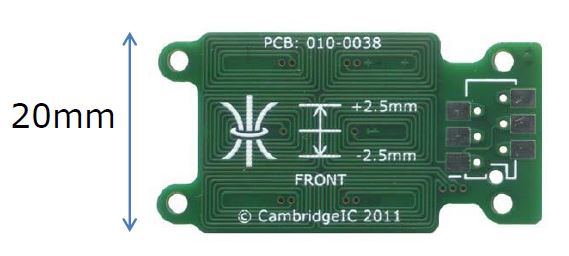
Performance                                Gap 0,5mm to 2mm / Y Misalignment up to 0,5mm
Measuring Range Type Subtype Max. Linearity error Min. Noise Free Resolution Order-Code
75mm 6 4 ± 0,15 % 12 bit 013-0036
205mm 6 8 ± 0,05 % 13 bit 013-0035
350mm 2 12 ± 0,06 % 13,4 bit 013-0038
500mm 2 12 ± 0,06 % 13,4 bit 013-0037

75mm Type 6.4

205mm Type 6.8

350mm Type 2.12

500mm Type 2.12

Type 2 wide Linear Sensors

Dual Channel Sensors
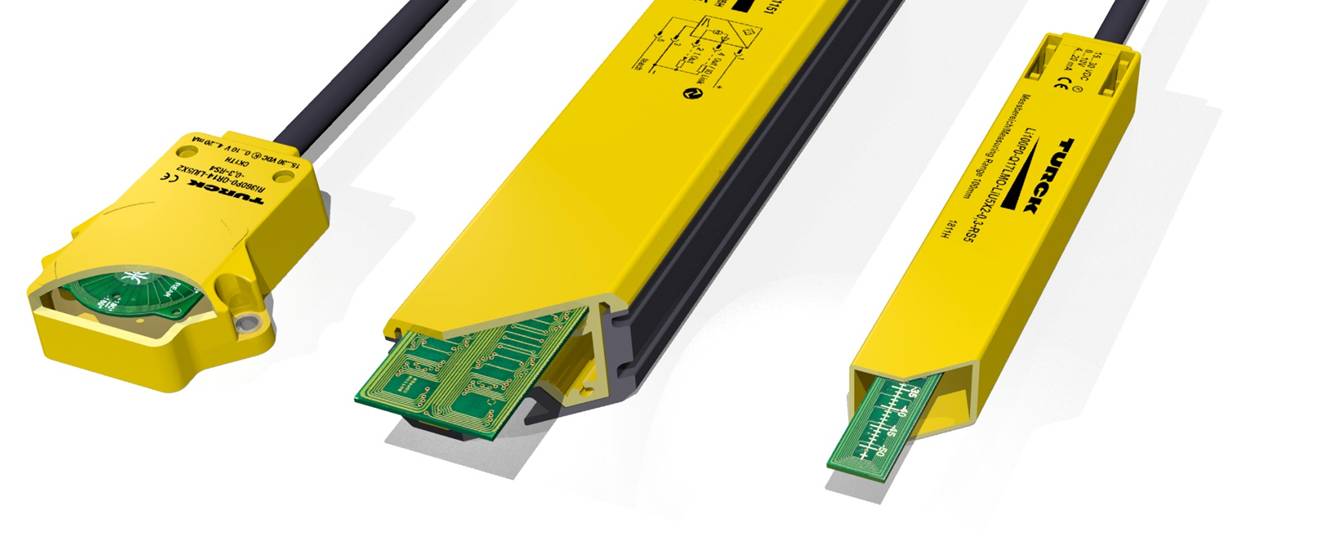
This range of sensors offers precision and robustness with measuring ranges up to 1m. A sensor PCB width of 25.4mm allows the sensor to be built on only 2 PCB layers which helps to reduce cost where space is available. They are used in TURCK's Li Series of industrially housed position sensors.

Please contact CambridgeIC for the status of development kits and samples.

Content

Products: Axial Linear Sensor Boards

A resonant inductive position sensor for measuring linear position over a range of 78mm. The sensor works with targets having an axis of symmetry running along the measuring axis, which means they can rotate freely (“Axial Sensor”).
A large gap is possible between sensor and target. This allows each of the parts to be located inside its own separate housing, with each part separately encapsulated where needed.
Picture Features Performance Applications Links

CAM Sensor Axial Type 3
  • Full absolute linear sensing
  • 78mm Measuring Length
  • 8-layer PCB process
  • Works with a wide range of target designs
  • 5 wire connection possible
  • Linearity Error <±0.2%
  • Noise Free Resolution > 10 bits
  • Gap up to 10mm
  • Valve position sensing
  • Actuator position feedback
  • Liquid level sensing by detecting float height
  • Electronic reading of variable area flow meters
  • Syringe fill level sensing

Datasheet


Axial sensor for variable area flow meters


Axial sensors for liquid level sensing

Sensor PCBs:
Part number Description
013-0057 78mm Axial Sensor Assembly
Accessories:
Part number Description
013-6001 300mm 6-way Sensor Connecting Cable
013-1033 L20 Red Target Sample
010-0145 Sensor Blueprint
Content

Products: Rotary Sensor Boards

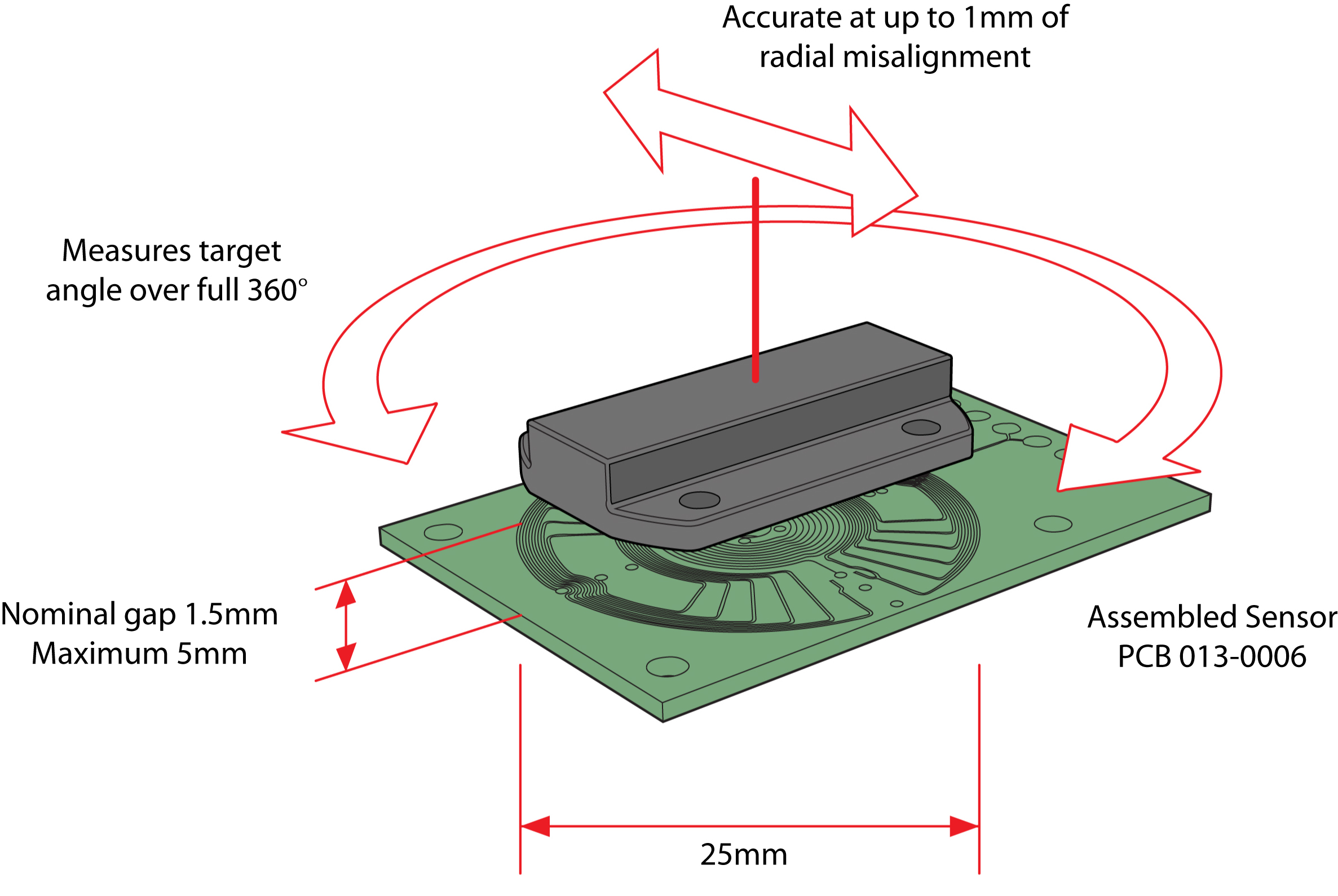
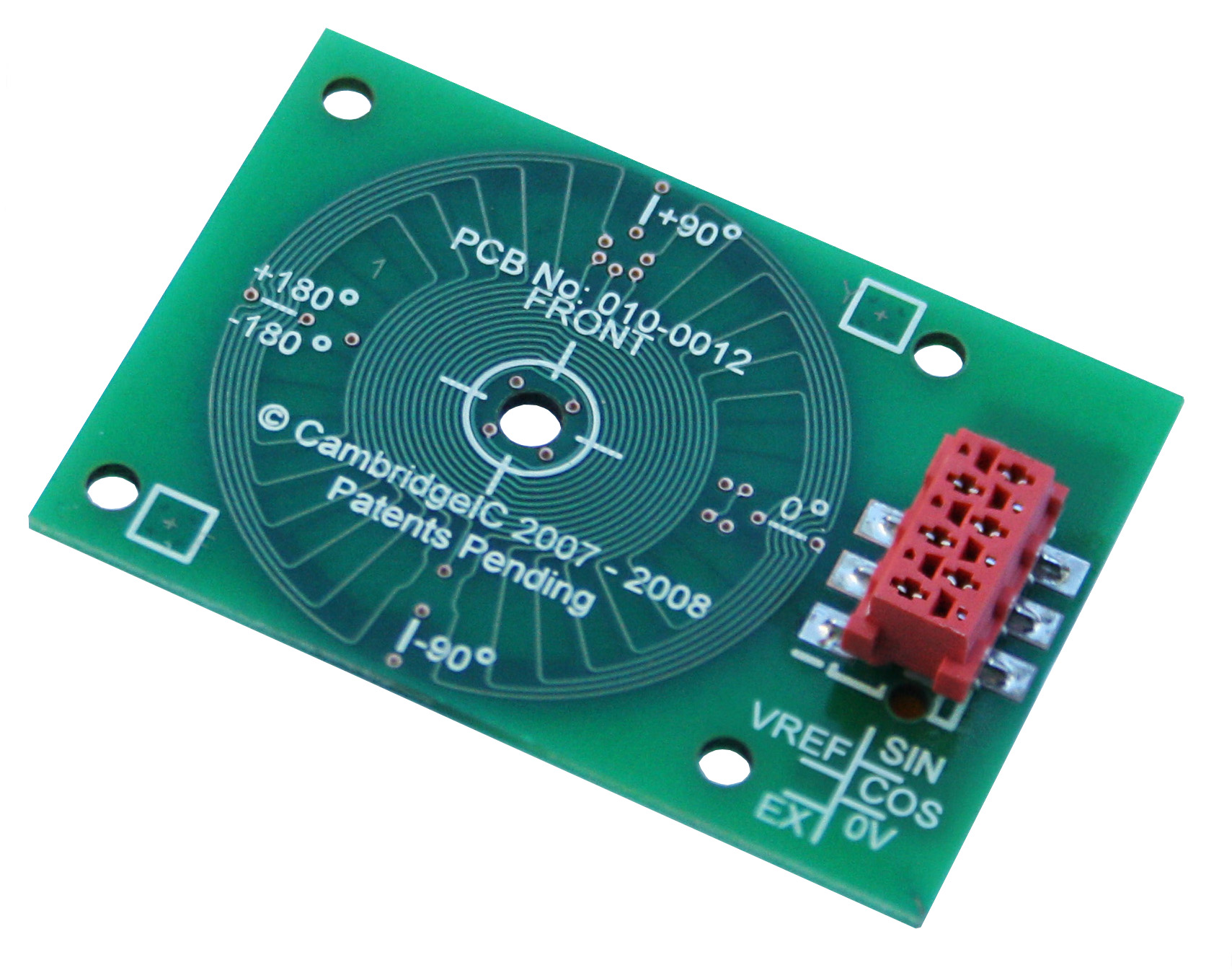
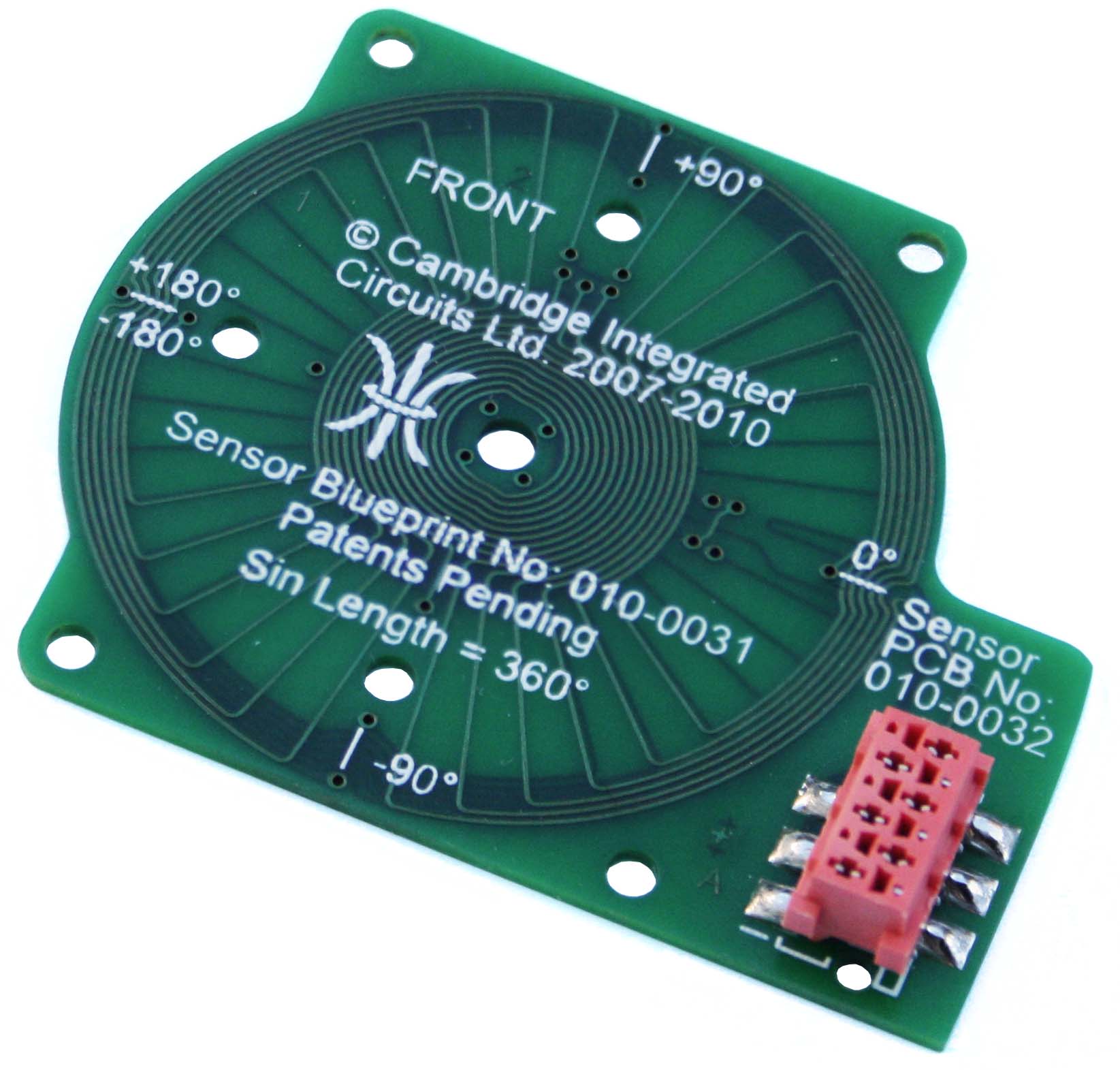
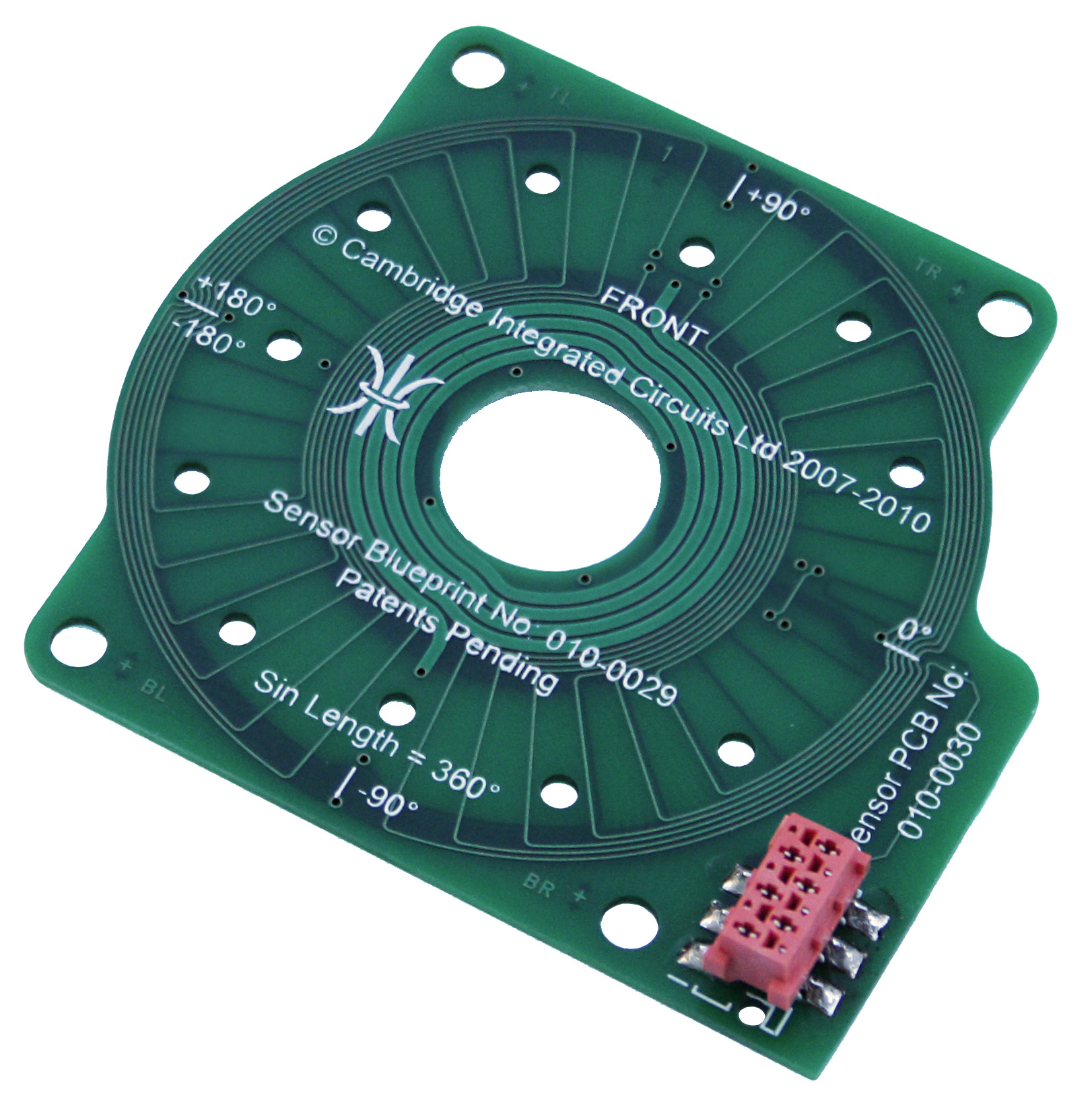
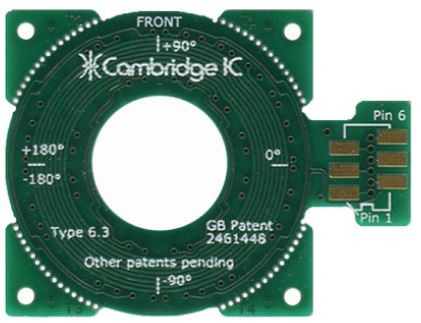
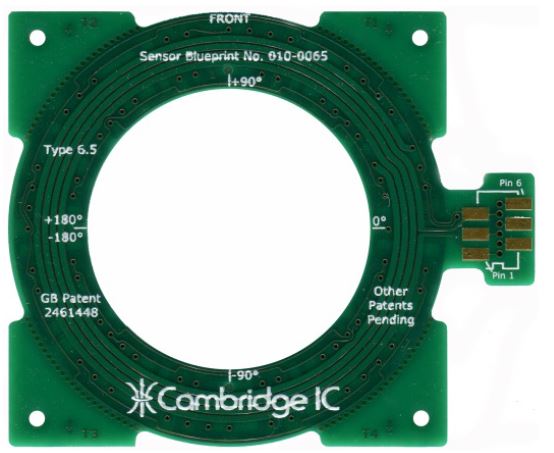
A resonant inductive position sensor for measuring over a full 360° of rotation. Works with CambridgeIC’s Central Tracking Unit (CTU) family of single chip processors to provide high-quality position data to a host device.
The sensor is available as a blueprint in Gerber format, to enable integration with a customer’s own PCB. It is also available as assembled sensors for evaluation, customer prototyping and low-volume production.

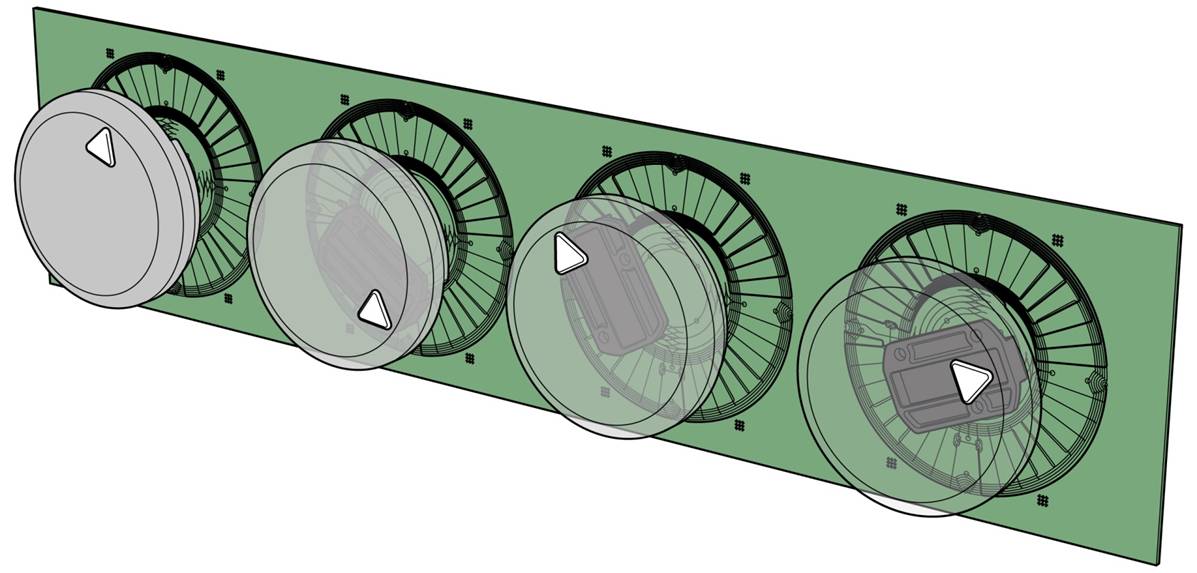
Type 1 Type 6
Content
Picture Description Datasheet

Type 1 Rotary Sensors[25mm]

Single Channel Sensor (9–11 bit Noise Free Resolution)
To be used with the Standard Target(013-1005)

Type 1 Rotary Sensors[36mm]

Single Channel Sensor (9–11 bit Noise Free Resolution)
To be used with the Standard Target (013-1005)

Type 1 Rotary Sensors[50mm]

Single Channel Sensor (9–11 bit Noise Free Resolution)
To be used with the Standard Target(013-1005)

Type 6 Precision Through Hole Rotary Sensors[35mm]

Dual Channel Linear Sensors (up to 16 bit Noise Free Resolution)
To be used with a C-Target or board with Transponder-Coil


Link to Demokit:

Type 6 Precision Through Hole Rotary Sensors[55mm]

Dual Channel Linear Sensors (up to 16 bit Noise Free Resolution)
To be used with a C-Target or board with Transponder-Coil


Link to Demokit:

Content

100° Arc Sensor Boards

These arc sensors measure angle over a range of up to 100°. They measure the position of a target running along an arc, which allows sensor and target to be positioned away from the rotation axis (“off-axis”).
This provides space for shafts, bearings and other machinery which needs to be positioned nearer the rotation axis.
Picture Features Performance Applications Links

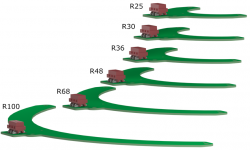
100° Arc Sensor Type 4: R25/30/36/48/68/100mm
  • Full absolute sensing along 100° of arc
  • 4-layer PCB process
  • Target is sensed from FRONT or REAR of sensor
  • Target may be positioned to the inside or outside
  • Optimised for Type 4 CTU chip circuitry
  • Functions with Type 1 circuitry, lower performance
  • Linearity Error <0.4% at 0.5mm…1.5mm Gap,
  • Target Inside, up to 1mm radial Misalignment
  • Noise Free Resolution > 10.5 bits up to 1.5mm Gap
  • Up to 1mm Radial Misalignment
  • Angle sensing of Butterfly valves
  • Surveillance camera tilt axis angle sensing
  • Motorised antenna position feedback
  • Vent angle sensing
  • Vehicle suspension level sensing
  • Measurement of handle position
  • Actuator position feedback
  • Optical and magnetic encoder replacement

Datasheets

Sensor PCBs:
Part number Description
013-0044 R25mm 100° Arc Sensor Assembly
013-0045 R30mm 100° Arc Sensor Assembly
013-0046 R36mm 100° Arc Sensor Assembly
013-0047 R48mm 100° Arc Sensor Assembly
013-0048 R68mm 100° Arc Sensor Assembly
013-0049 R100mm 100° Arc Sensor Assembly
Acessories:
Part number Description
013-6001 300mm 6-way Sensor Connecting Cable
013-1005 Standard Target
Content

Targets

A target for electronically marking the position of moving parts. Use in conjunction with CambridgeIC’s resonant inductive sensors and Central Tracking Unit (CTU) family of single chip processors to provide high-quality position data to a host device.
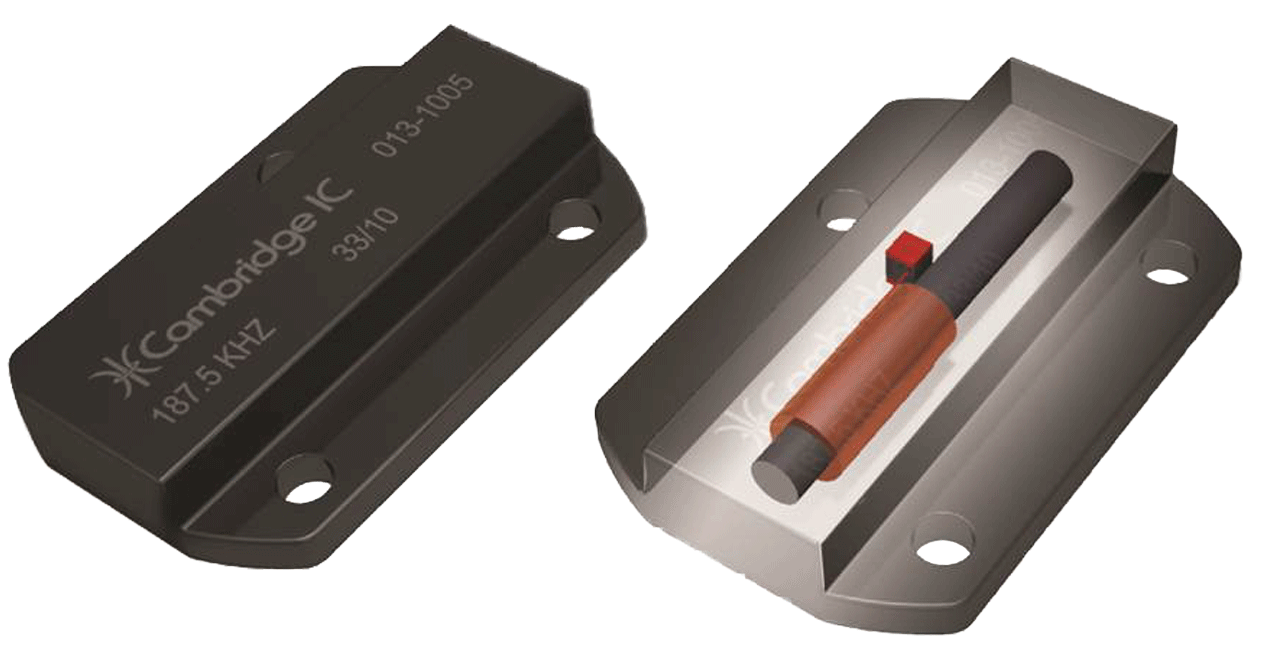
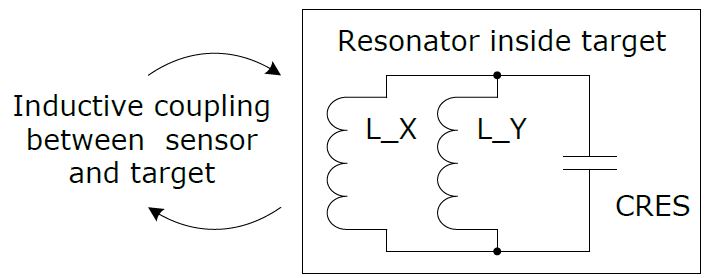
The target includes an inductively coupled resonant circuit comprising a ferrite rod wound with a coil connected to a capacitor. The circuit’s resonant frequency matches the operating frequency of the CTU. The high Q-factor of the resonator enables high resolution position sensing.


Picture Features Performance Links

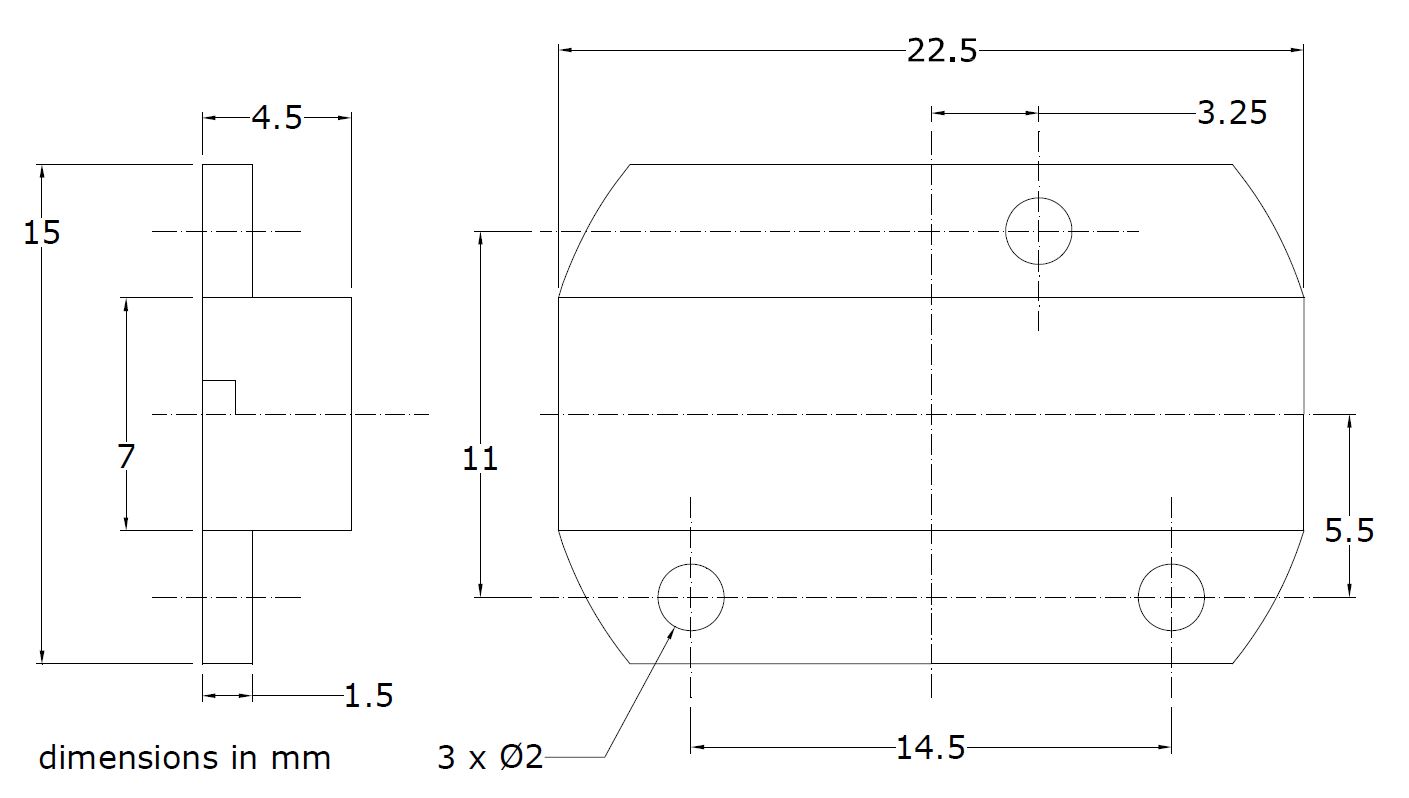
Standard Target

For Linear & Rotary sonsors, Fo=187,5 kHz


  • Non contact: wireless and wear free
  • Compact
  • Sealed
  • For both linear and rotary position sensing
  • Holes for alignment and/or mounting

  • Linear magnetic axis alignment ±0.1mm
  • Rotary magnetic axis alignment ±0.2°
  • Typical Q-factor 115
  • Operating Temperature -20°C to +85°C
  • Max rotation speed 6000rpm
  • Max linear acceleration 4000ms-2


Part no.:013-1005
Description:Standard Target

Datasheet

E-Core Target (11mm)

For Linear Sensors, Fo = 187,5kHz

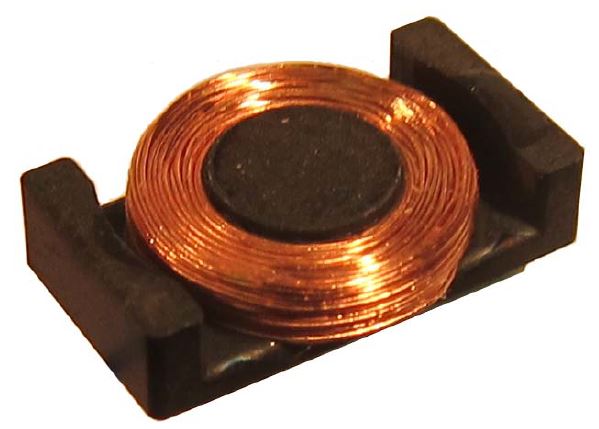
This target functions with a number of different resonant inductive sensors from CambridgeIC, including 10mm wide Type 1 Linear Sensors. Sensors measure the relative position of the target without mechanical or electrical contact.

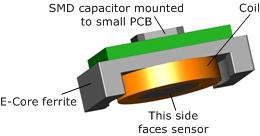
The 11mm E-Core Target has a resonant circuit inside, comprising a wound E-Core inductor connected to a capacitor mounted to its rear. These form a high Q resonant circuit that is inductively coupled to the sensor.

  • Small form factor
  • 10mm Type 1 Linear Sensors, 25mm to 300mm


Part no.:013-1020
Description:11mm E-Core Target

Datasheet

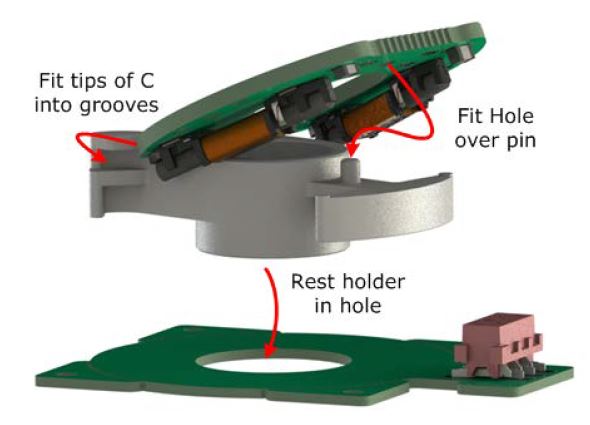
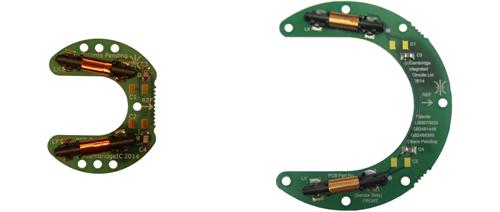
C-Target

The dual channel Type 6 Rotary Sensors need a special dual coil Target


C-Target PCB assembly with 20mm Transponder Coil for 35mm and 55mm (Type 6)


35mm                    55mm
  • Non contact: wireless and wear free
  • Full absolute sensing over 360°
  • Built using conventional 1-layer PCB for mechanical stability and for SMD components
  • 2 off 20mm Transponder Coils (Part No 012-1704)
  • Transponder Coils in a balanced arrangement for immunity to misalignment
  • High resonator Q-factor for large signals and hence high Noise Free Resolution
  • Highly repeatable across time and temperature
Part no.:013-1019
Description:35mm Type 6.3 C-Target 182,5kHz

Part no.:013-1022
Description:55mm Type 6.3 C-Target 182,5kHz

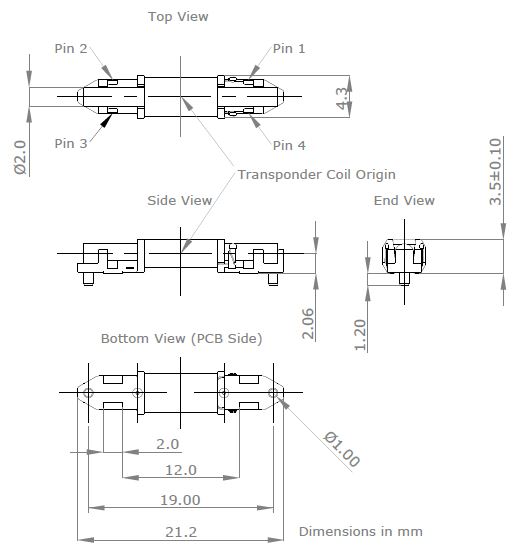
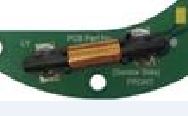
Transponder-Coil (20mm)


  • 2 alignment Pins for accurate registration on a PCB
  • 4 large solder terminals for secure fixing to a PCB
  • High Q-factor for strong signals and high resolution
  • Stable inductance
  • Magnetic geometry optimised for inductive sensing
Part no.:013-1005
Description:Standard Target

Datasheet

Content

Development Tools

Picture Features Performance Links

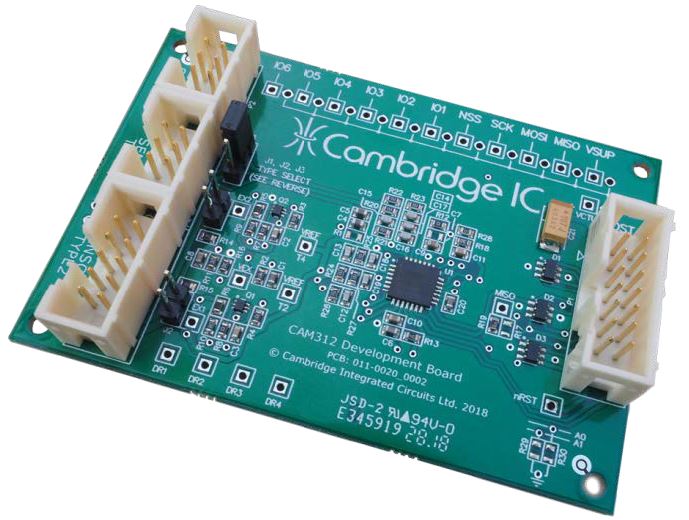
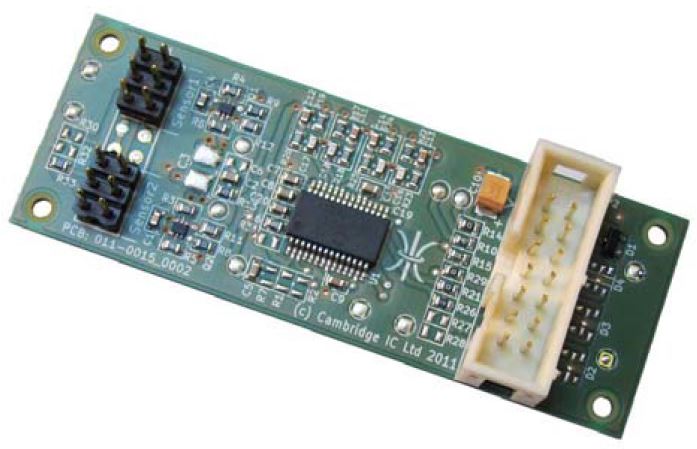
CAM312 Development Board

  • CAM312 CTU chip
  • Processes up to two Type 4 or Type 1 sensors
  • Processes one Type 2 or Type 6 sensor
  • Operates from 3.3V
  • 3.3V SPI interface with 5V tolerant inputs
  • Part no.: 013-5034
  • Description: CAM312 Central Tracking Unit (CTU) chip is a single-chip processor for position measurement

  • CAM312 measures the position of contactless, inductively coupled targets relative to sensors that are built from printed circuit boards manufactured to CambridgeIC’s design
  • Prototyping CAM312 chip based applications

Datasheet

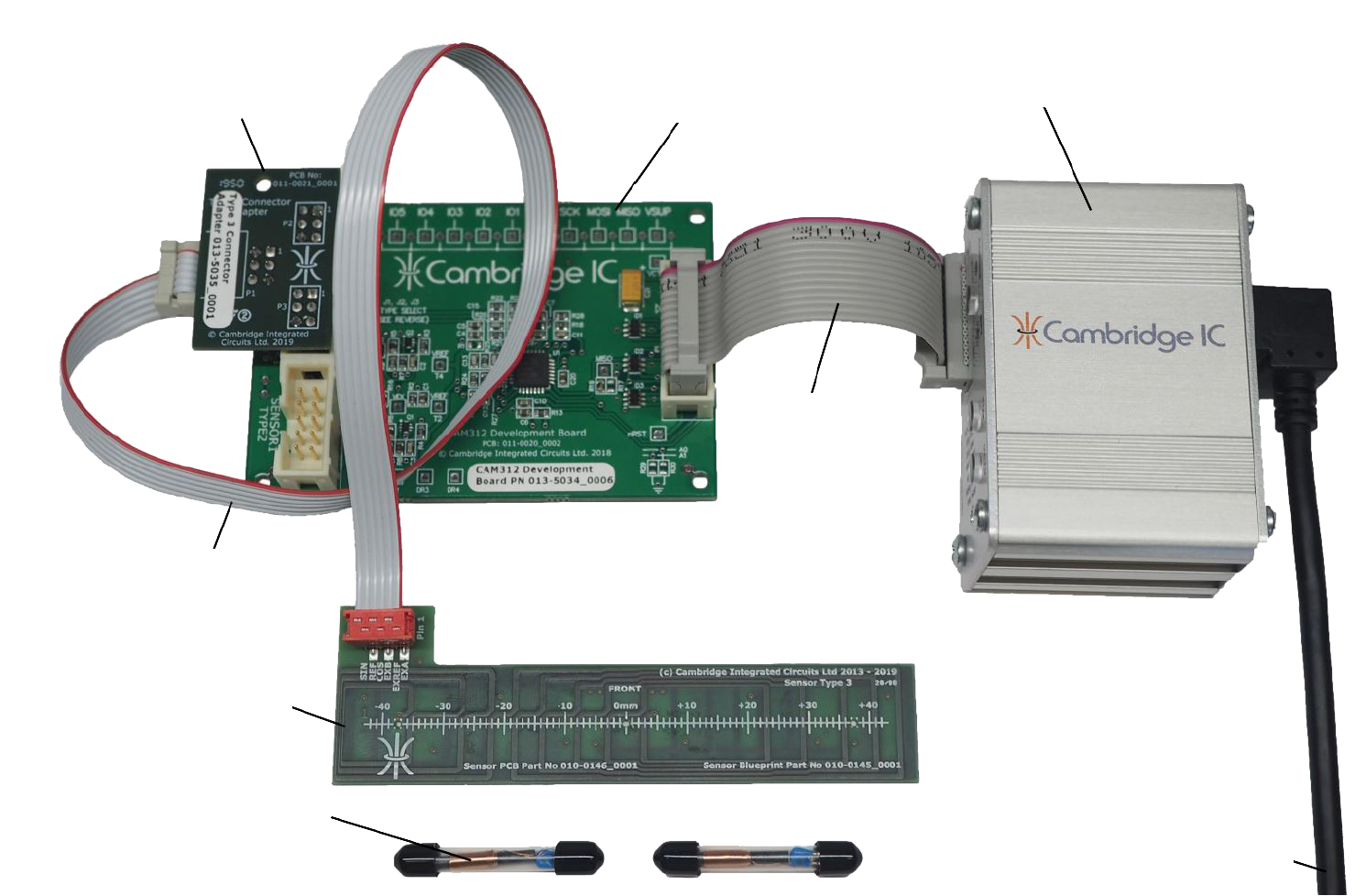
CAM Axial Sensor Development Kit

  • CAM312 Development Board78mm Axial Type 3.2 Sensor Assembly
  • L20mm Target samples
  • CTU Adapter for SPI to USB conversion
  • PC software for Windows 10
  • Power supply over USB. No additional PSU is needed
  • Part no.: 013-7005
  • Works with contactless, free rotating targetTruly non-contacting, big gaps possible
  • Tolerant of gap change and misalignment
  • Robust against mechanical shock
  • Sable across temperature
  • Customers can build sensors and targets themselves for cost effective embedded solution

Datasheet

CTU Type 6 Rotary Development Kit (CAM204)

  • CAM204 CTU chip
  • External circuitry for up to 4 Type 1 sensors
  • Test points for key CTU connections
  • 14-way header for host interface connection
  • 6-way headers for sensor connection
  • Part no.:013-7004
  • Description:CTU Type 6 Rotary Development Kit (CAM204)

  • The CTU Development Kit includes all of the parts needed to get a CTU position sensing system working with Type 1 sensors
  • It includes a USB interface and software for a PC, for demonstration and evaluation
  • Alternatively, the CAM204 chip’s interfaces are available on a 14-pin IDC connector
  • This enables the system to be interfaced with the customer’s own host system during later development

Datasheet

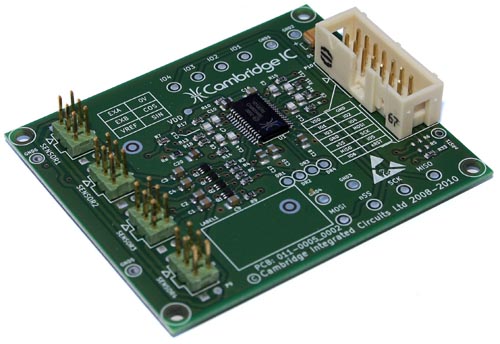
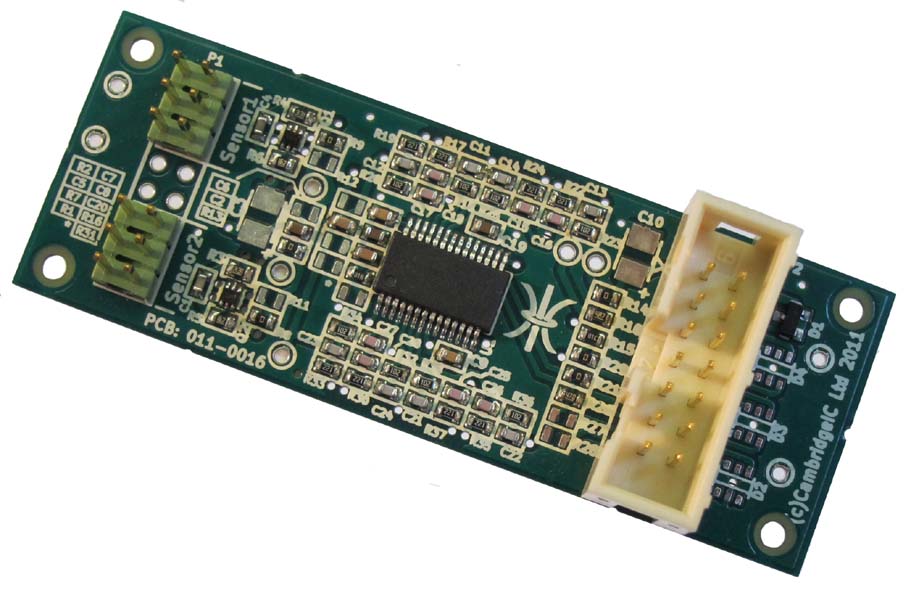
CTU Develpoment Board for Type 1 Sensors (CAM204)

  • CAM204 CTU chip
  • External circuitry for up to 4 Type 1 sensors
  • Test points for key CTU connections
  • 14-way header for host interface connection
  • 6-way headers for sensor connection
  • Part no.: 013-5006
  • Description: CTU Develpoment Board for Type 1 Sensors (CAM204)

  • The CTU Development Board is a PCB including the CAM204 CTU chip and circuitry required for up to 4 Type 1 sensors.

Datasheet

CTU Develpoment Board for Type 3&4 Sensors (CAM204)

  • CAM204 CTU chip
  • Processes one Type 3 sensor or up to two Type 4/1
  • Test points for key CTU connections
  • 14-way header for host interface connection
  • -way headers for sensor connection

  • Part no.: 013-5029
  • Description: CTU Develpoment Board for Type 1 Sensors (CAM204)

  • The Type 3&4 CTU Development Board is a PCB including the CAM204 CTU chip and external Type 4 circuitry
  • This is compatible with up to two Type 4 or Type 1 sensors
  • Type 3 circuitry is a subset of Type 4, and the board may also be used with a single Type 3 sensor.

Datasheet

CTU Develpoment Board for Type 6 Sensors (CAM204)


  • Measures up to two Type 6 sensors
  • 14-way header for host interface connection
  • Two 6-way headers for sensor connection

    Applications:
  • Prototyping CTU chip based applications
  • Processor board for position sensor solutions


  • Part no.:013-5030
  • Description:CTU Develpoment Board for Type 1 Sensors (CAM204)

  • The Type 6 CAM204 Development Board includes a CAM204 chip and the external circuitry required for up to 2 Type 6 sensors

Datasheet

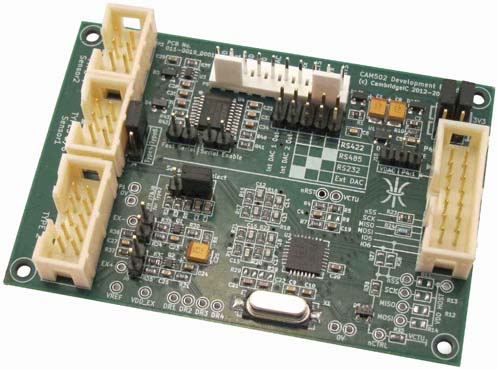
CAM502 Development Board

  • CAM502 CTU chip
  • Circuitry for Type 2 and Type 6 sensors
  • Operates from 3.3V
  • Optional 5V supply with on-board regulator
  • 3.3V SPI interface with 5V tolerant inputs
  • Optional asynchronous serial interface
To be launched soon - ask PM for more information

  • Part no.: 013-5032
  • Description: CTU Develpoment Board for Type 1 Sensors (CAM204)

  • The CAM502 Development Board is a PCB including the CAM502 CTU chip, circuitry for Type 2 and 6 sensors, a regulator for optional 5V input, and a line driver for optional asynchronous serial interface over RS485.

Datasheet


Content

Applications


Picture

Industrially housed sensors from TURCK


Embedded actuator feedback


Dial reading and control panels


Thickness measurements


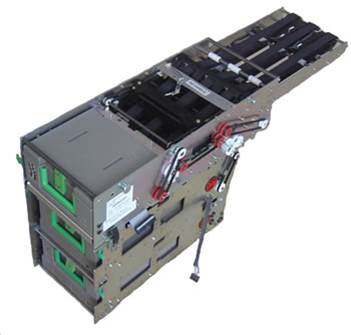
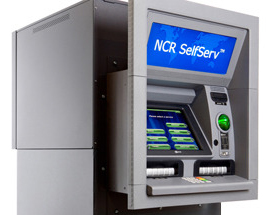
ATM Cash Dispenser


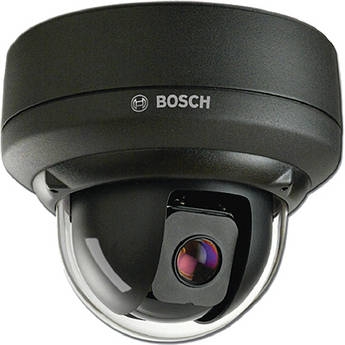
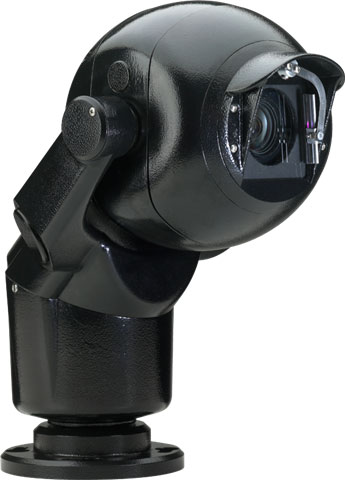
Pan/Tilt CCTV Camera


Content